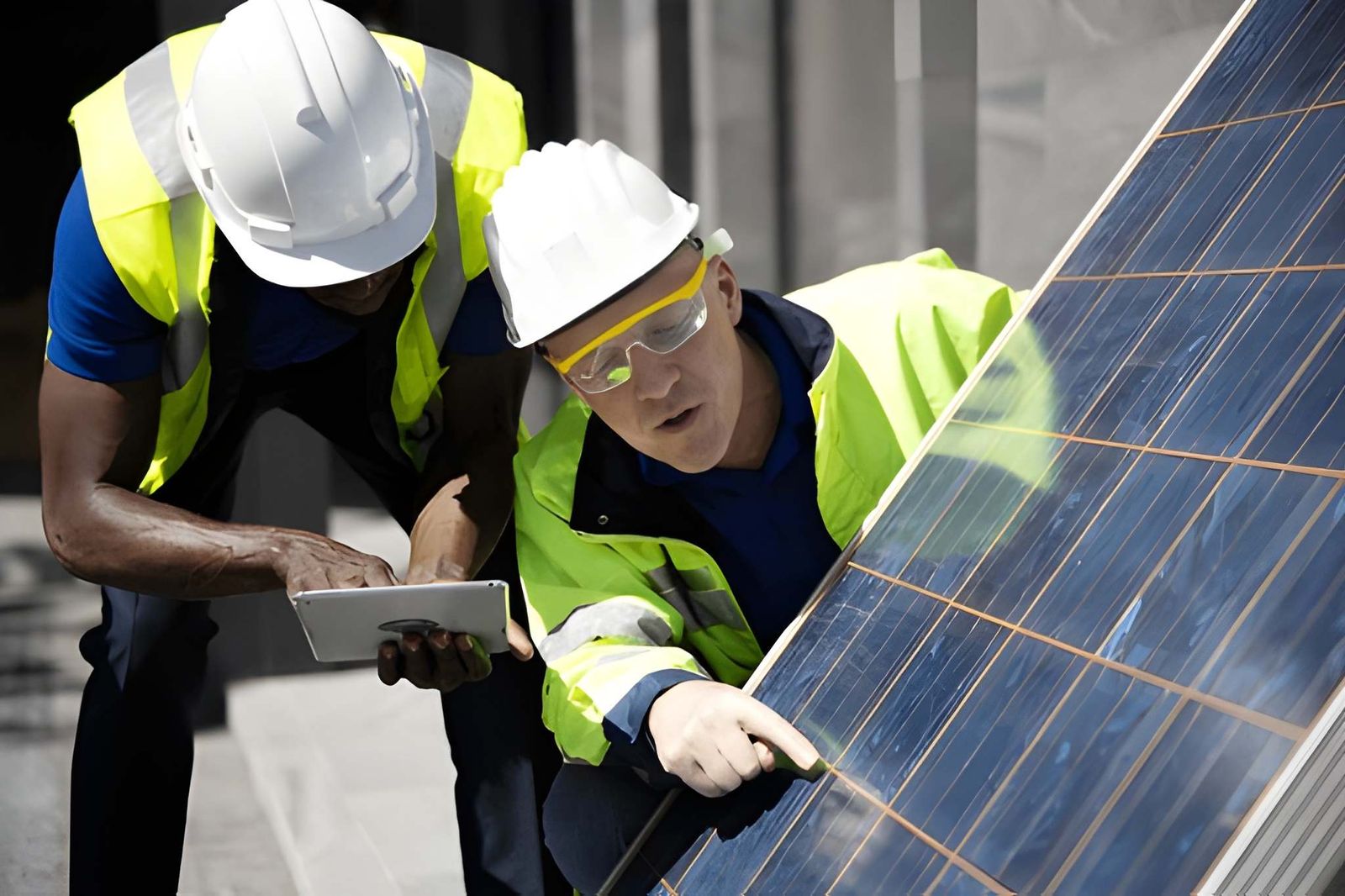
Is your solar system underperforming? Solar power systems are built to function in the background, quietly contributing to lower electricity bills every year. Compared to other appliances, the failure rate of solar power systems is minimal. They tend to deteriorate gradually, with their performance reducing slowly, often to the point where homeowners only realize it when their returns begin to dwindle.
It also happens that a solar system that is underperforming does not mean that it has failed. Oftentimes, an underperforming solar system will be an indication that your solar system is not producing as much power as it should be given the available sunlight.
“In Australia, there are often problems with the function of solar panels that don’t get reported very often by homeowners. These may include environmental exposure, age of the system, electrical degradation, or issues that exist but go unseen.” The good news is that there are usually signs that could be apparent sooner if you are looking.
This guide will outline the signs that the solar system is not functioning as it should, the most common reasons for poor performance, and how it can be identified and corrected.
What Does a Solar System Underperforming Actually Mean?
If a solar system is considered to be underperforming, it does not necessarily mean a failure in the system but a solar system producing less power than expected based on its capacity and sunlight exposure.
Underperformance can include:
- One damaged panel of a composite material panel set comprising
- A faulty inverter component
- *Dirty or shaded panels* *
- Electrical or Wiring Inefficiencies
- Grid-related voltage constraints
A small problem can affect the total production. It has been noticed that sometimes, if there is an issue with one panel, it affects the whole section’s production. That is why it is very important to identify the defect at an earlier stage.
The Importance of Early Detection to Australian Homeowners
The life span of a solar system can vary but tends to last for a period of 25 years or more. In instances where performance diminishes unnoticed, an apparent loss occurs for the homeowners because:
- Daily electricity savings
- Feed-in Tariff Advantages
- Return on investment
- The return
- Long-term system efficiency
Through earlier diagnosis of solar problems affecting homes in Australia, speedy amendments can be made in order to fully function and preserve funds.
Key Signs That Your Solar System is Not Functioning Correctly
Solar power is on its
1. Your Electricity Bills Are Increasing Without Explanation
One of the most prominent signs that the solar system is not functioning in the right manner is when there is an increased electricity bill without changing the usage pattern.
If your solar system is not offsetting as much power, then you will automatically be consuming more from the power grid. This can easily be noticed if you have seen a 10-20% reduction in their power production.
Possible explanations include:
Buy-out
- Dirty panels
- It is defined as
- Inverter Efficiency
- Partial System Shutdowns
2. Data Analysis Shows Variations/Flatlined Production
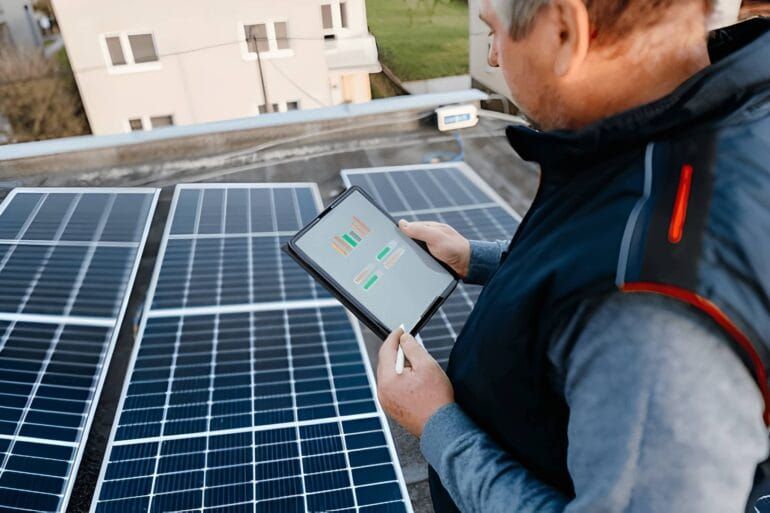
These days, monitoring applications that show daily energy production are common in modern systems. Monitoring applications are one of the most effective tools in locating underperforming solar panels.
“Warning signs include:”
- During sunny times of day
- Flat lines
- Strong declines in afternoon output
- Inconsistent daily production
- Sudden zero-generation readings
Problems in monitoring may indicate electrical malfunctions, inverter stressing, or shading issues.
3. One Panel or Section Yields Less Than Others
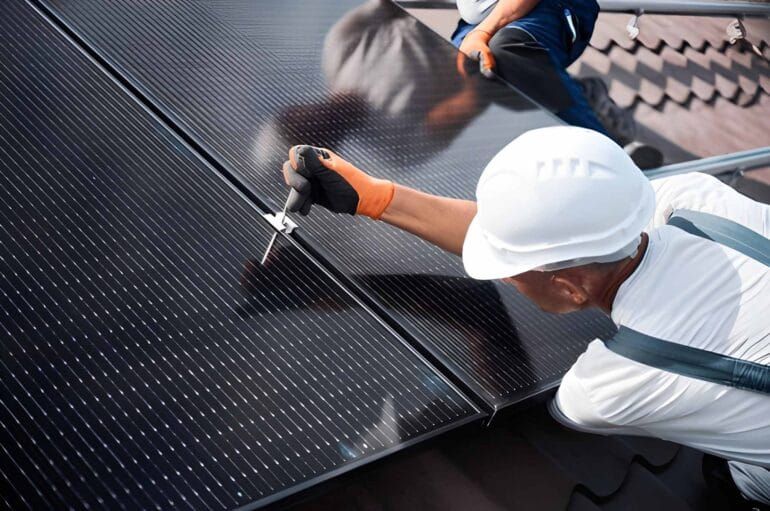
If panel-level metering is an option available to homeowners, they will observe that one panel or string may be generating much less power.
“This is a common indicator of:
- Image [image]
- “Optimizer or inverter problems”
- Bodily or wiring/connectors errors
One defective part can have an impact on the whole system; hence, this is one of the most critical concerns for homeowners with solar performance in Australia that they need to take note of.
4. Odd Sounds or Constant Inverter Startup/Shutdown Cycles
A quiet operation of the solar inverter is expected. Any noise such as clicking, buzzing, or frequent restarting of the inverter implies that the device is finding it difficult to operate in a stable environment.
Such signs can imply:
- Voltaionic instability
- Overhe
- Internal Inverter Faults
Inverter stress is a significant factor that causes low solar energy output and needs immediate attention.
5. System Shuts Down During Peak Sun Hours
In Australia, the summer season can be challenging for solar power systems. If it turns off in the middle of the day, it might be experiencing a thermal overload problem.
Common causes of spontaneous hemorrhages
- Inverter overheating
- Poor ventilation
- Electrical mismatches
- Rooftop excess heat
- Mid-day closing affects the availability of sunlight, resulting in reduced performance.
6. Production Falls Below Averages After Storms and Rainfall
“Weather events can affect system performance days and even weeks after the actual weather events have occurred. Should there be a reduction in output as a result of storms and the like, there can be concerns with
- Moisture intrusion
- Loose Connectors
- Wiring damage
- Dirt streaking on panels
- Storm damage can begin innocently but progress if neglected.
7. Seasonal Output Does Not Match Expectations
- In Australia, a peak in solar production needs to happen in spring and summer periods of the year. If such production levels remain constant or reduce in periods of strong sun intensity, there could be a performance issue with the system.
- Such discrepancy is an indication that solar panels do not generate electricity at full capacity due to system-related problems.
8. New or Unexpected Shading
The trees will grow, changes will occur in the adjacent buildings, and roof characteristics will develop. New sources of shade may greatly reduce the intensity of the sunlight, even sources that were not there at the time of system installation.
Shading is another factor that is a frequent source of low solar energy output and may often go unnoticed without observation.
Often, three main reasons cause underperformance of the Solar System in Australia:
1. Dirt, Dust, and Environmental Accumulations
In Australia’s environmental conditions, panels are likely to be subject to dust, pollen, bird excrement, and environmental pollution. If a thin layer of dirt is left on panels, it is estimated to slow efficiency by
Rainwater by itself cannot effectively clean the panels and often leaves mineral deposits.
2. Degradation of Electrical
Over time, optimizers, inverters, and connectors will degrade due to exposure to sunlight, weather, and current flow. Faulty components may not shut down the power system, but it may decline quietly.
3. Wiring and Connectors Problems
Wiring Issues
Issues with solar panel wiring are a significant factor in the performance issues Australian residents experience with their solar power systems. These include:
These issues
- Inequalities of
- Roof movement
- Moisture exposure
- Wildlife damage
A loose or corroded connector could impair the passage of voltage and thus reduce the generation of energy.
4. Inverter Stress or Early Failure
The inverter enables the conversion of solar energy into usable electricity. However, when it underperforms, the system underperforms as well.
Symptoms include:
- Lower power output
- Frequent Resets
- Error messages
- Partial shutdowns
5. Natural Panel Degradation
All solar power cells will degrade with time. But if they are exposed to harsh weather in Australia like the UV rays and the intense weather associated with storms, they might have a shorter lifespan than
In older systems, there may be a gradual decrease in output if they are not well maintained.
6. Grid Voltage Limits
Local grid conditions may result in the reduction of the inverter’s output due to safety constraints. Such cases are common during peak hours and may greatly influence the system’s performance.
**How to Check Solar System Efficiency at Home**
Homeowners can easily apply some tests if they need to learn ways of testing solar system efficiency.
Steps include:
- Reviewing monitoring data on a regular basis
- Comparing seasonal production on a year-over
- Examination of Panels for Dirt or Damage
- Monitoring for Unexplained Bill Increases
Watching for
If discrepancies arise, professional diagnosis is advised.
What Professionals Do to Restore Solar Performance
If your
- System Diagnosis and Performance Analysis
Technicians examine:
- Panel-level voltage
- Wiring integrity
- Inverter Efficiency
“Diagnostics reveal hidden flaws impacting output.”
2. Professional Solar Panel Cleaning
Comprehensive washing eliminates:
- Dust and grime
- Bird droppings
- Mineral deposits
- On cleaned panels, there may be an improvement in performance right away.
3. Fixing or Replacing Defective Parts
One of the major ways of reviving a solar system’s functionality is through the repair or replacement of malfunctioning parts. A solar system consists of a number of major electrical components such as optimizers, connection cables, and converters that are necessary for its optimal functionality. In case some of these electrical components fail, the functionality of the whole system may reduce despite the functionality of the solar PVs.
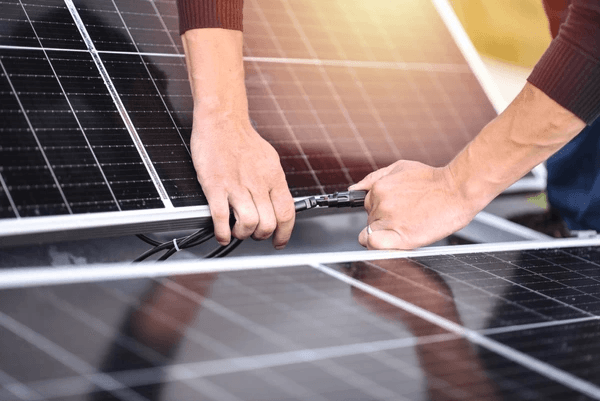
Optimizers and micro-inverters are also involved in the control of panels. A faulty optimizer/micro-inverter can lower the output of an entire section of the solar PV system. Faulty connectors or worn-out components in inverters can also be responsible for interruptions in power conversion or reduced power flow. This is where professional assessment can be used to determine whether it is the panel or the optimizer/micro-inverter that is not performing at its best. A faulty component can be replaced at minimal cost since an entire system replacement is not required.
4. Wiring Repairs and Safety Checks
“The solar system wiring is constantly subjected to exposure from heat, changes in the weather, and roof movement. Over time, the connections can become loose due to the insulation breakdown or the corrosion that results.”
This limits the flow of the voltage and is a major reason for reduced power production.
The key in wiring repair is fixing and ensuring a stable connection between the panels, inverters, and the mains supply. Performance optimization and safety inspections are equally important and will help avert dangers associated with electrical malfunctions, overheating, and fires. Safety inspections will ensure that the system is operating under safe and optimized conditions.
5. System Reconfiguration or Detach & Reset
In more complex scenarios, problems in the system could be masked by the solar panel array. This would require reconfiguring or disconnected and reset procedures, which temporarily disconnects part of the system in order to reach the hidden wires, mounts, and electrical connections. This makes it possible for technicians to fix a number of problems simultaneously, like improper panel alignment, cable damage, or grounding problems. After fixes have been made, the system is then disassembled and inspected. While it may be more complex, it is an effective way to guarantee the system is fully optimized, safe, and productive enough to provide steady power output.
Conclusion:Ensuring Your Solar Investment with EasySolar
An underperforming solar system doesn’t necessarily mean it always performs that way. In most instances, problems with a solar system can be identified earlier and remedied if done so quickly. This is because homeowners need to be informed on how to detect when a solar system is malfunctioning to ensure their savings are not jeopardized.
EasySolar provides Australian homeowners with residential and commercial solar solutions, quality solar panels and inverters, hot water systems, and system care services. A properly maintained and repaired system can keep a solar system running effectively not only for 15 years but for twice as long – up to 30 years. Understanding how to test the efficiency of the solar system as well as address solar performance problems that Australia homeowners experience will ensure that your solar system is working just as hard as the sun.