
If you’re a Perth homeowner thinking about a home battery in 2026, you’ve picked the right year to do it. The combination of federal and state rebates currently available in Western Australia is the strongest battery incentive stack we’ve seen in eight years of installing solar across Perth — but the deadline to lock in the maximum discount is 1 May 2026. Here’s the plain-English version: right now, a Synergy customer can stack the federal Cheaper home Batteries Program with the WA Residential Battery Scheme to save up to $5,000 on a 10kWh battery. Horizon Power customers can save up to $7,500. Add the $10,000 interest-free loan from Plenti, and a quality battery system is now within reach of most Perth households — not just the early adopters. This page covers everything you need to know before buying: how batteries work in a Perth context, which brands are actually worth the money, what a realistic install costs, how to stack every rebate available, and what to expect from the installation process. We’ve kept it honest — including the section where we tell some readers they shouldn’t buy yet. If you just want to talk to someone directly, call John Chadwick on 1300 646 419. Otherwise, read on.
Three things have changed in the past 18 months that make batteries genuinely worth considering for Perth homes — not just the resource-wealthy ones.
Perth households on Synergy’s A1 residential tariff pay roughly 32.37 cents per kWh for electricity drawn from the grid in the evening. But the DEBS feed-in tariff for solar you export during the day is just 2–10 cents per kWh. That’s a 30-cent gap on every kWh your solar exports instead of stays in your home. A battery closes that gap. Every kWh you store in the day and use at night saves you about 30 cents instead of earning you 2 cents. Across a year, a well-sized battery saves $1,000–$1,400 on the average Perth family’s bills.
[keyword: solar battery rebate Perth naturally used here] The WA Residential Battery Scheme (launched July 2025) pays $130 per usable kWh for Synergy customers (capped at $1,300 for a 10kWh battery), and $380 per kWh for Horizon Power customers (capped at $3,800). It stacks on top of the federal rebate and includes an interest-free loan of up to $10,000 for eligible households. For a full breakdown of every rebate, eligibility rule, and the 1 May deadline, read our WA Battery Rebate 2026 Guide.
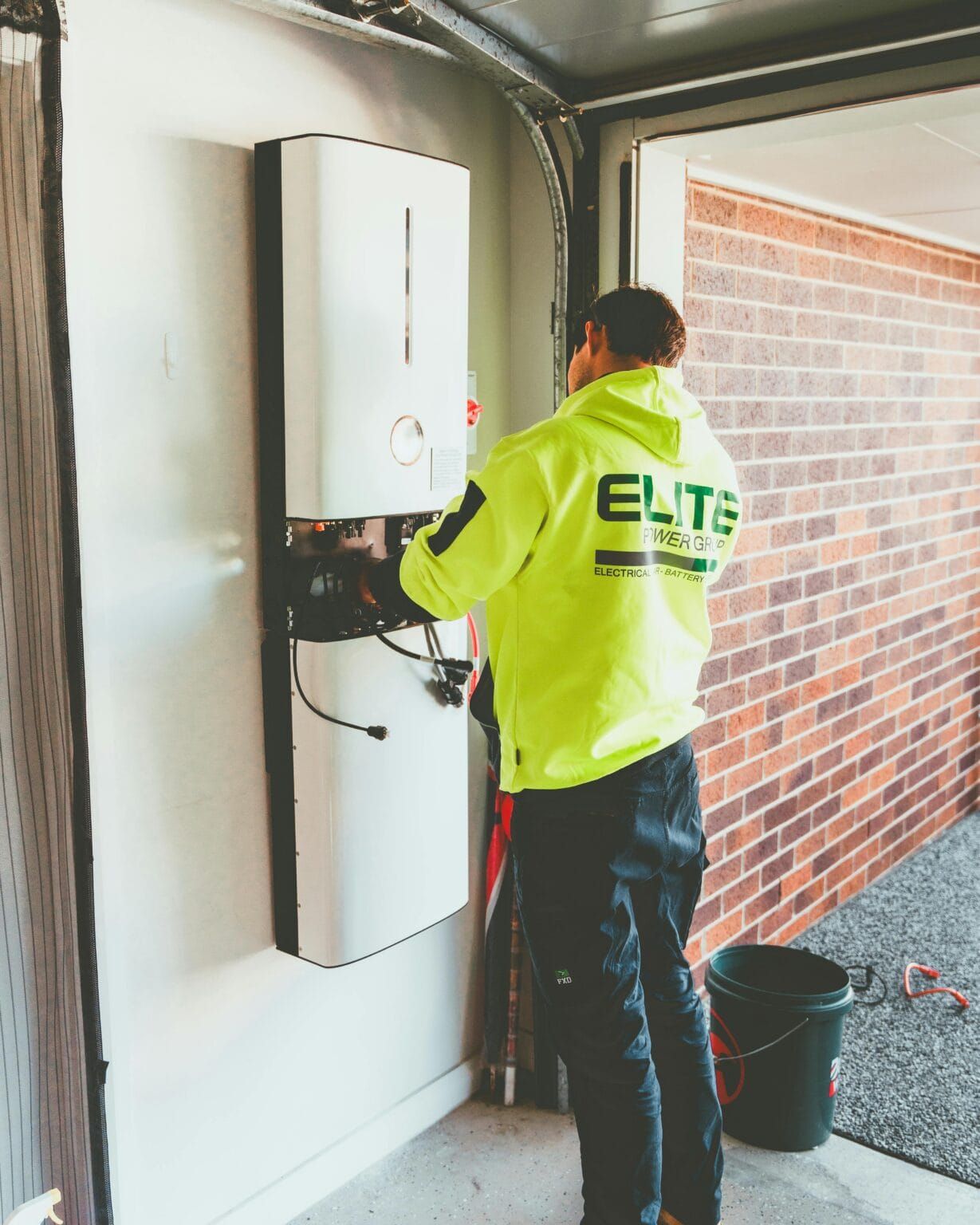
A solar battery stores the electricity your panels generate during the day so you can use it at night or during a blackout. Here’s the simplified flow:
Daytime — home uses first: Your home’s appliances run directly off solar.
Daytime — battery charges: Surplus solar charges the battery instead of exporting to the grid for 2 cents.
Evening — battery discharges: Your home draws stored battery energy instead of buying 32-cent grid power.
Late night — grid top-up (if needed): Once the battery is empty, you buy grid power at the normal rate.
Outage mode (if backup-capable): Grid goes down, battery isolates the home and keeps essential circuits running.
The efficiency gain comes from self-consumption using the electricity you already generated rather than buying it back twice as expensively. The backup gain is a bonus. The rebate stack is what makes the math’s work.
For many households, they use solar batteries because of any of the following reasons:
We install four battery brands that dominate the Perth market in 2026. Here’s an honest comparison what each is best for, what it costs, and which kind of household it suits.
All prices are indicative, before federal and WA rebates applied. Your final quoted price depends on your existing inverter, switchboard condition, and battery size. Figures current April 2026.
The Powerwall 3 is Tesla’s third-generation home battery and currently the most popular single unit battery we install in Perth. It includes a built-in 5kW solar inverter, 13.5 kWh of usable storage, and 11.5 kW of continuous backup power — enough to run whole-home loads including air conditioning for most Perth households.
Best for: families wanting seamless whole-home backup with a single, clean installation. The Tesla app is also the best battery monitoring app on the market.
Important note: the Powerwall 3’s 13.5 kWh capacity exceeds the WA scheme’s 10 kWh cap, so you receive the full $1,300 Synergy rebate (or $3,800 Horizon rebate) regardless but only the first 10 kWh generates state rebate value. Federal rebate applies across the full 13.5 kWh.
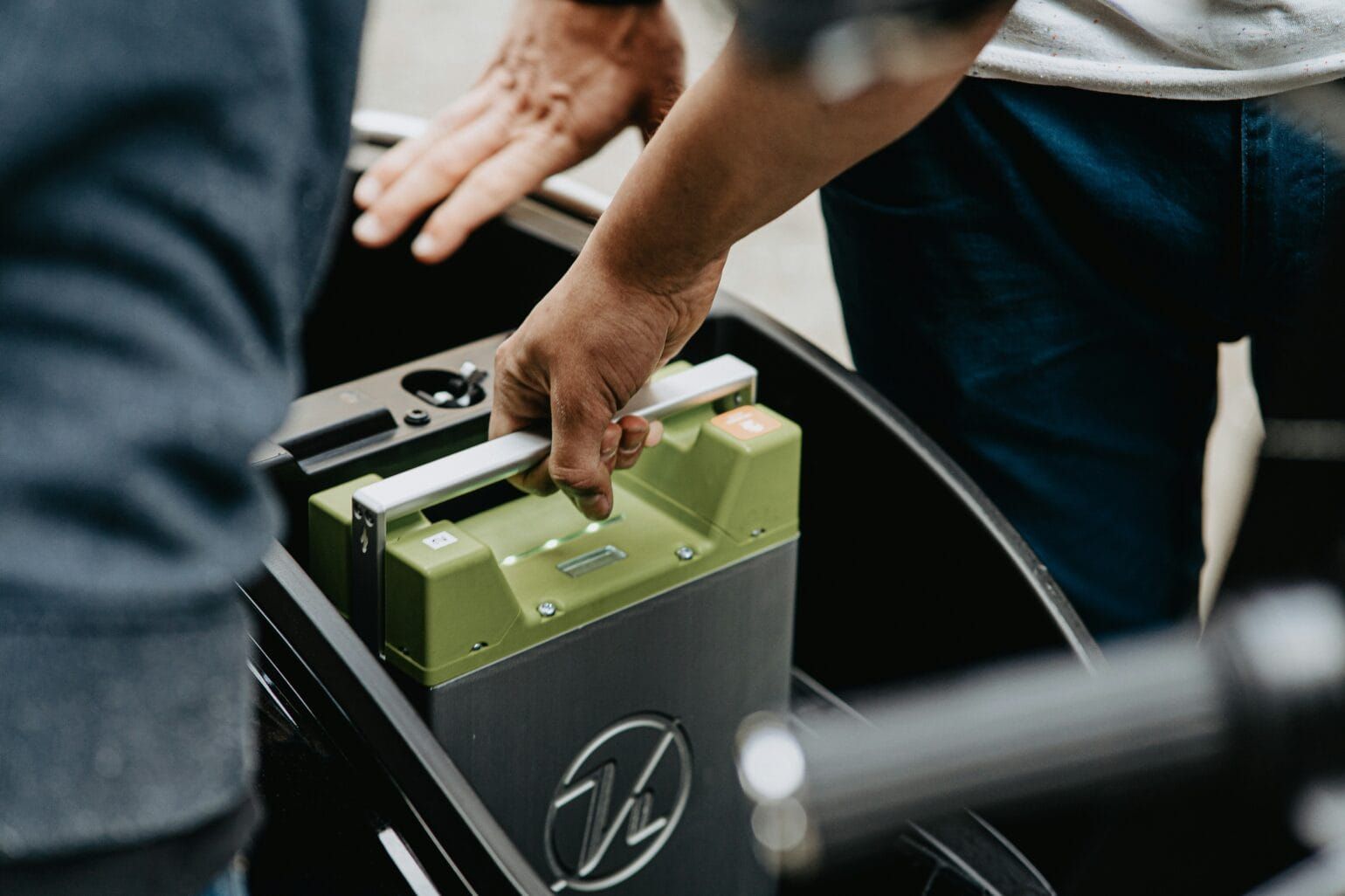
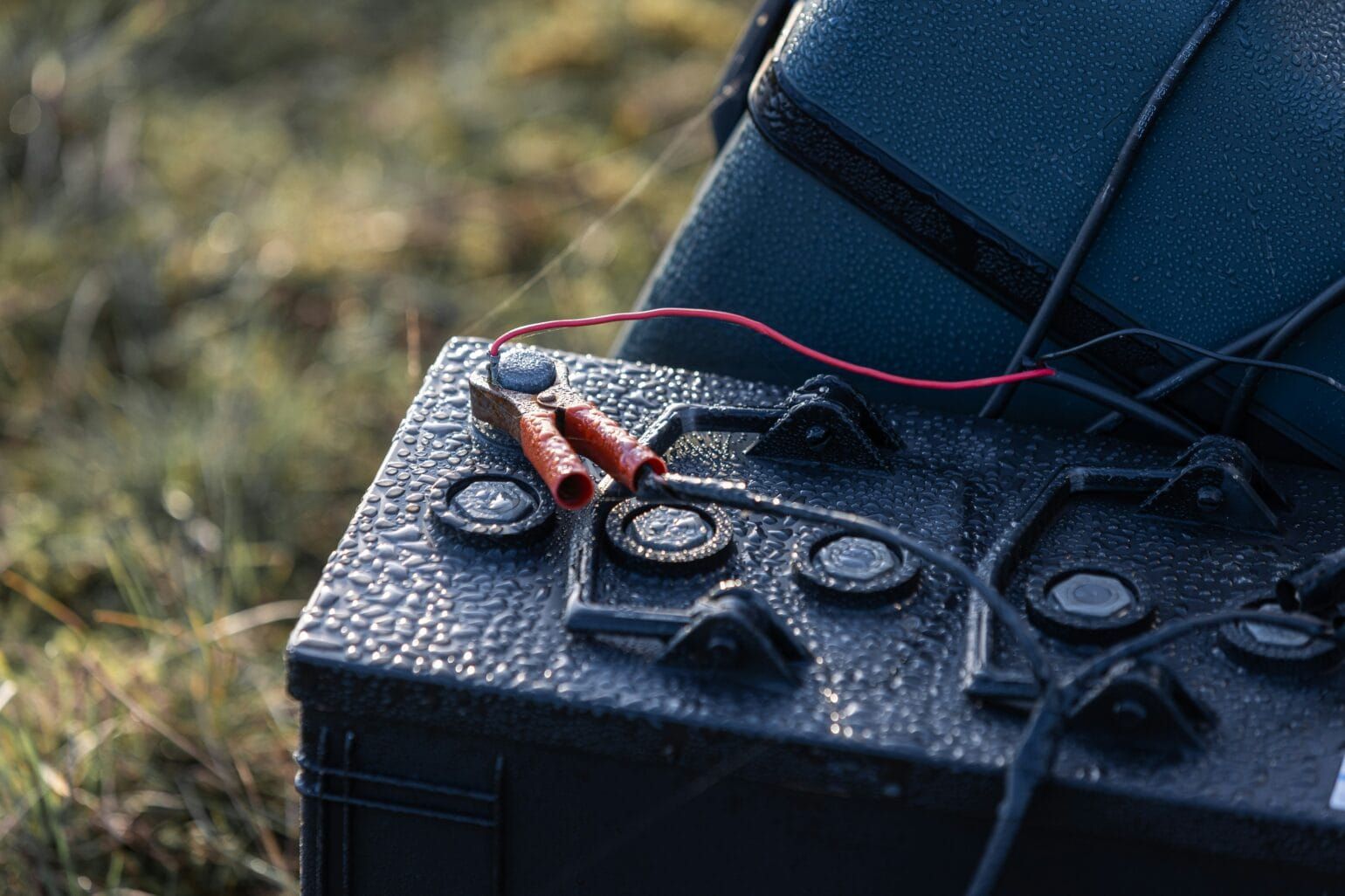
The Sungrow SBR series is the value king of the Perth battery market in 2026. Modular design means you can start at 9.6 kWh and expand in 3.2 kWh increments up to 25.6 kWh later if your needs grow (EV, pool, etc.).
Best for: Perth families who want quality without Tesla pricing. If you already have a Sungrow inverter (common in 2020–2022 Perth installs), the compatibility is seamless.
Sungrow is a CEC-approved battery brand and listed on the Synergy Supported Solutions List for the WA Residential Battery Scheme.
BYD is the world’s largest rechargeable battery manufacturer (they make more battery cells than Tesla), and their HVS and HVM home battery lines are widely installed across Perth. The modular design means you can size from 5.1 kWh up to 22.1 kWh.
Best for: homes that want maximum flexibility — start small, add modules later. Works well with Fronius, GoodWe, and Sungrow hybrid inverters.
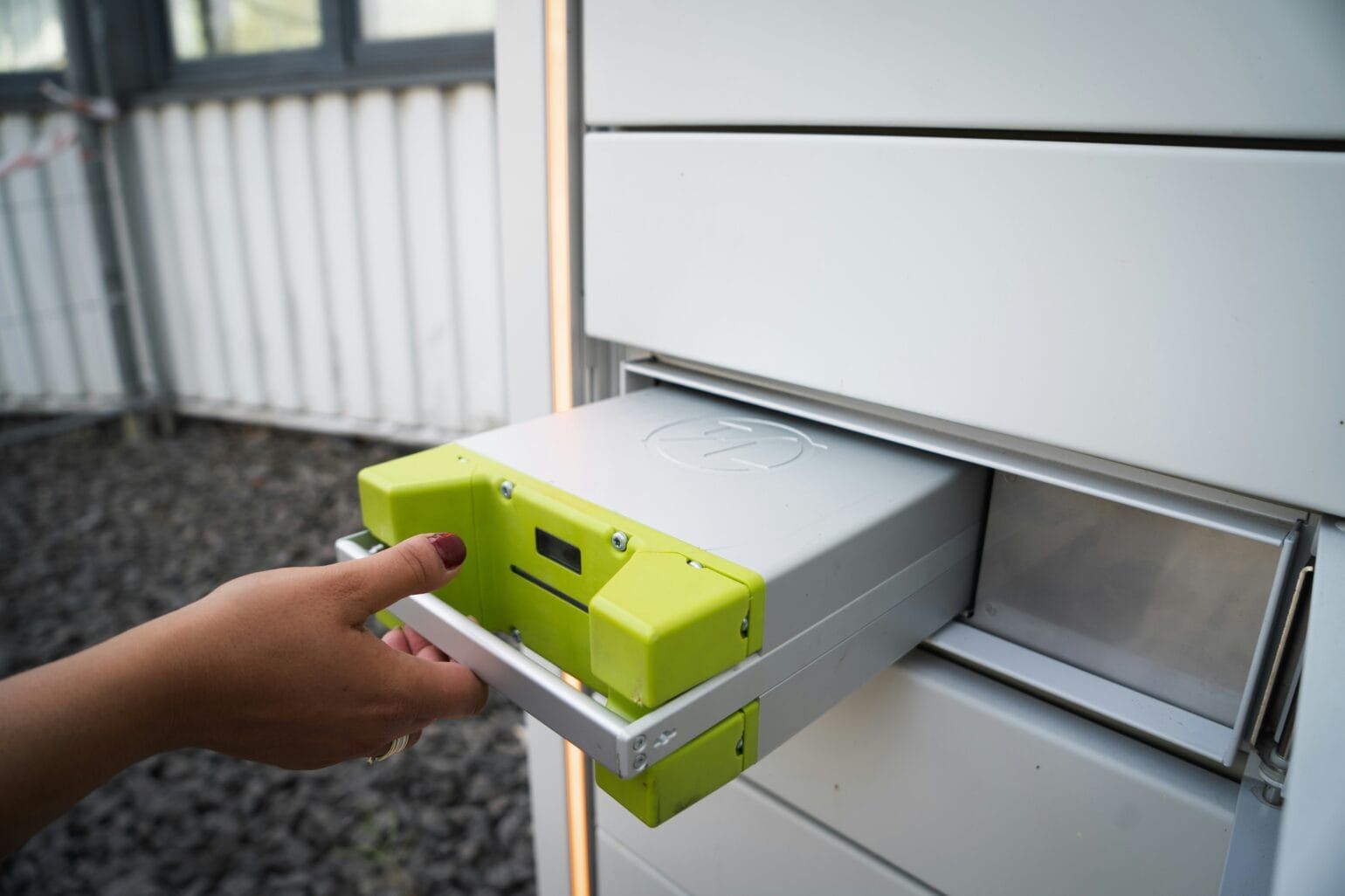
The newest serious entry to the Perth battery market. Sigenergy’s SigenStor integrates solar inverter, battery, and a DC-coupled EV charger into a single unit. Capacity scales from 8 kWh to 48 kWh. Warranty is 15 years — the longest in the market.
Best for: Perth households planning an EV purchase in the next 3 years, or bigger homes with pools, spa, or dual-occupancy
Honest pricing for a 10 kWh battery system, installed, in Perth metro — all figures April 2026:
What changes on 1 May 2026: the federal rebate drops from ~$311/kWh to ~$252/kWh — that’s roughly $590 less on a 10 kWh battery purely based on install date. For anyone considering this, installing before 30 April locks in the maximum rebate. We also offer finance options including Zip and the Plenti interest-free loan so you can spread payments across 3–10 years.
You don’t apply for the rebate. We do. As an approved WA Residential Battery Scheme vendor on the Plenti Vendor Directory, we handle the full application process on your behalf:
Nothing hidden. No surprise charges. No government form you fill in yourself.
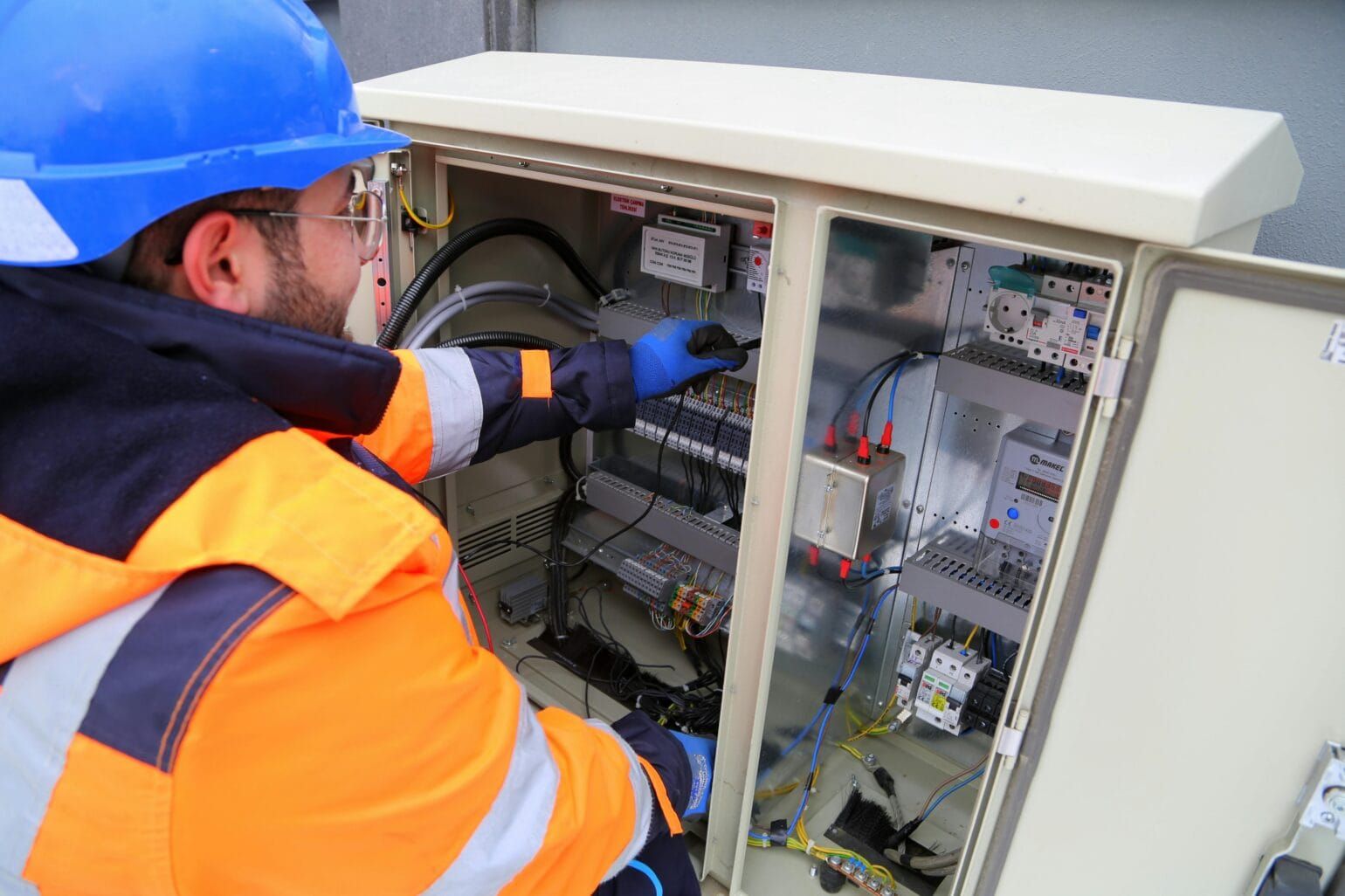
Every battery install we do in Perth includes the following as standard:
Free on-site assessment: John or a senior installer personally visits your home, inspects your roof, switchboard, and existing inverter, and designs the right system for your usage.
All rebate paperwork handled: federal STC, WA Battery Scheme, VPP enrolment.
CEC-accredited, in-house installation team: No subcontractors.
10-year workmanship warranty: on top of the manufacturer’s product warranty.
Monitoring app setup + walkthrough: We show you how to read your system’s performance.
Post-install follow-up: John personally rings the day after install to make sure everything’s working.
Ongoing support: Call the same number in year 10 and reach the same team.
No high-pressure sales. No call center. You deal with John (the owner) and his small team. Read
the 4.7-star Google reviews from 31 verified Perth customers.
Here’s what actually happens when you call us for a battery quote:
Day 1 — Free phone consultation (15 minutes)
John calls you back personally. We talk through your last Synergy bill, your household size, your goals (bill savings, backup, or both), and whether you have compatible existing solar. Completely no-pressure. Sometimes we tell people they don’t need a battery yet — that’s fine.
Days 2–3 — Free on-site inspection
A senior installer visits your home, inspects the roof (if solar is also being added), switchboard, existing inverter, and available wall space for the battery. We take photos and measurements.
Days 4–5 — Custom written quote
You receive a detailed quote with:
Exact battery brand and capacity recommended
All rebates applied upfront
Net-of-rebates cost clearly shown
Finance options if needed
Expected annual savings estimate
Weeks 2–6 — Installation
Most battery retrofits are completed in a single day. New solar + battery combos take 1–2 days. CEC-accredited installers, fully insured, cleaned up at the end.
Day of commissioning System activation
We turn the battery on, configure monitoring, enroll you in the VPP, walk you through the app, and answer any remaining questions.
Ongoing — Warranty and support
We’re still here in year 5, year 10. Same phone number. Same team. That’s the Easy Solar way.
A standard 10 kWh battery system installed in Perth costs approximately $10,000–$13,000 before rebates. After stacking the federal Cheaper Home Batteries Program (~$3,110) and the WA Residential Battery Scheme (~$1,300 for Synergy, $3,800 for Horizon), net out-of-pocket drops to around $7,000–$9,500. Tesla Powerwall 3 and Sigenergy systems cost more due to higher capacity and premium features.
Yes, in most cases. If you have a compatible hybrid inverter, we add the battery directly. If your existing inverter isn’t battery-ready, we either install an AC-coupled battery (with built-in inverter) or upgrade your inverter to a hybrid. Your existing solar system fully qualifies for both the federal and WA battery rebates — you don’t need new panels.
A battery retrofit to an existing solar system is typically a one-day install. A new solar-plus battery combined install takes 1–2 days. From the first phone call to commissioned system, lead times in Perth are currently running at 3–6 weeks depending on battery availability.
It depends on your priorities. Sungrow SBR is the best value for most Perth families. Tesla Powerwall 3 is best for seamless whole-home backup. BYD is best for modular scaling. Sigenergy is best if you’re also planning an EV.
Only if the system is configured for backup. This requires a hybrid inverter (or an all-in-one battery like Tesla Powerwall 3 with built-in inverter) plus proper essential-circuit wiring. Standard grid-tied systems without these components will shut off during an outage — we explain why in our Solar Panels Power Outage WA guide.