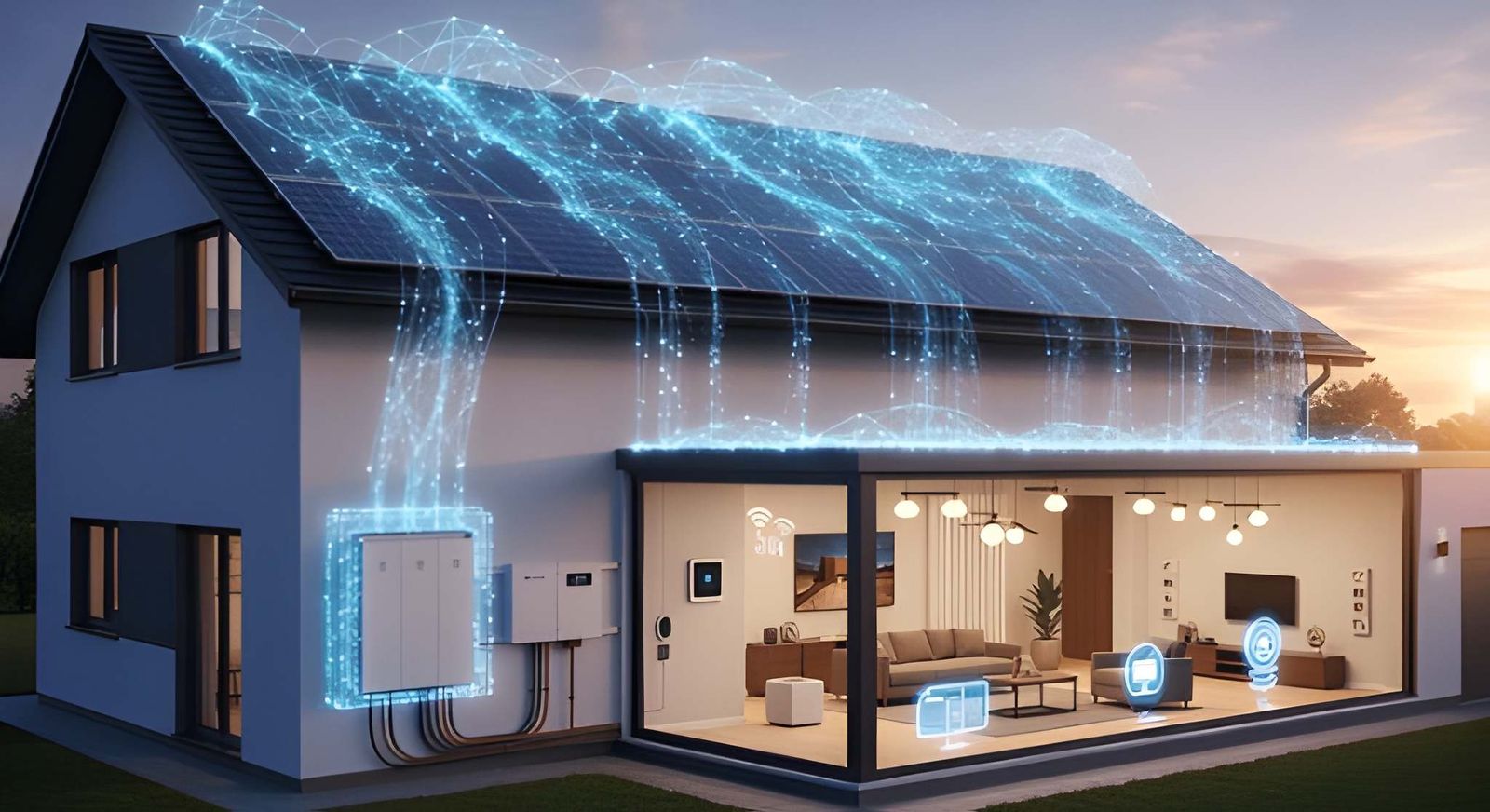
Australia is at the forefront of a clean energy revolution, and homeowners across the country are quickly discovering that smart home solar integration is the most powerful step they can take toward energy independence. As electricity prices continue to rise and environmental awareness grows, pairing a smart home with solar panels is no longer just a luxury it is a practical, futureproof investment that pays for itself over time.
Whether you live in Perth, Sydney, Melbourne, or anywhere in between, Australia’s sunshine-rich climate makes it one of the best places in the world to adopt solar energy. But the real magic happens when you go beyond simply installing panels on your roof. When solar power connects with intelligent home automation, your entire household transforms into a self regulating, energy optimised ecosystem that works smarter not harder to keep your bills low and your carbon footprint smaller.
In this guide, we explore everything you need to know about solar and smart home systems in Australia, from how the technology works to the real world savings it delivers and why now is the perfect time to make the switch.
What Is Smart Home Solar Integration?
Smart home solar integration refers to the connection of your rooftop solar power system with various intelligent home devices and energy management platforms. This allows your home to automatically monitor, manage, and optimize energy generation and consumption in real time.
Imagine your home automatically running the dishwasher when solar production peaks at midday, or your hot water system switching on during maximum sunlight hours all without you lifting a finger. This is the promise and reality of solar energy home automation. Instead of passively generating electricity and feeding it into the grid, your solar system becomes an active, intelligent participant in your household’s daily energy decisions.
At its core, smart home solar integration combines several technologies working in harmony: photovoltaic (PV) solar panels, smart inverters, home energy management systems, battery storage, and IoT (Internet of Things) devices. Together, these components create a seamless flow of clean, renewable energy throughout your home.
Key Components of Solar and Smart Home Systems in Australia
Understanding the building blocks of solar and smart home systems in Australia is essential before making any investment. Here is a breakdown of the core elements:
1. Solar Panels
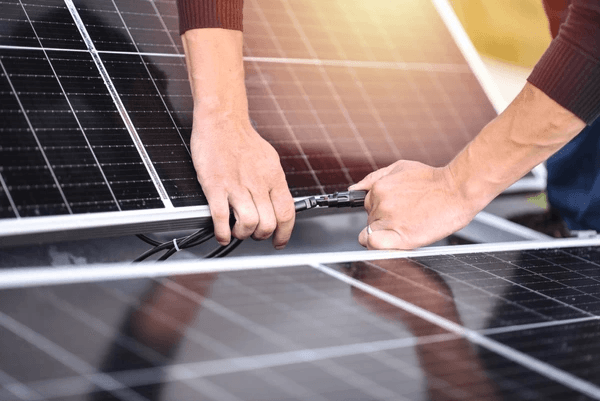
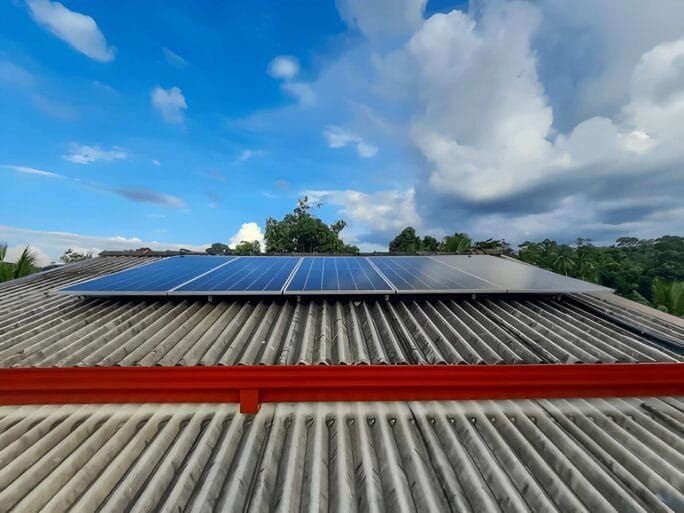
Photovoltaic (PV) solar panels are the foundation of any solarpowered home. They capture sunlight and convert it into direct current (DC) electricity. The size of your system measured in kilowatts (kW) will depend on your household’s energy consumption and the available roof space. In Australia, residential systems commonly range from 3.5kW for smaller homes to 13.2kW or more for larger properties with higher energy demands.
2. Smart Inverters
A smart inverter converts DC electricity from your solar panels into usable alternating current (AC) electricity. Beyond this conversion role, smart inverters also serve as data hubs collecting and transmitting information about your energy production, battery levels, grid interaction, and system performance. This data is what enables truly intelligent home energy management.
3. Home Energy Management System (HEMS)
A home energy management system is the brain of your smart home with solar panels. It analyses real-time data from your solar panels, inverter, battery, and connected devices, then automates decisions to maximise efficiency. Platforms like Tesla Powerwall, Enphase Enlighten, and LG Energy Solution offer sophisticated yet userfriendly management interfaces.
4. Solar Battery Storage
A solar battery stores excess energy generated during the day so it can be used at night or during periods of low sunlight. Battery storage is a game-changer for Australian homeowners who want true energy independence. Rather than exporting excess power to the grid at a low feed-in tariff, you can store it and use it yourself maximising your return on investment.
5. Smart Home Devices
These include smart thermostats, intelligent lighting systems, smart appliances (washing machines, dishwashers, ovens), and smart plugs. When connected to your solar system via a central hub like Amazon Alexa, Google Home, or Apple HomeKit, these devices can be automated to run during peak solar production hours, dramatically reducing energy waste.
Integrating Solar with Smart Devices: How It Actually Works
The process of integrating solar with smart devices is more straightforward than many homeowners expect. At the heart of the system is the communication between your solar inverter and your home energy management platform.
When sunlight hits your panels and electricity is generated, your smart inverter immediately reports how much power is available. Your energy management system then checks which appliances are scheduled to run and whether the battery needs charging. If solar production is high, it will automatically trigger high-consumption appliances like the washing machine or pool pump to operate. If production is low or it’s nighttime, it draws from the battery first before touching grid power.
This intelligent sequencing often called load shifting or demand response is the cornerstone of solar energy home automation. It ensures that your home always uses the cheapest, cleanest energy available at any given moment.
Consider a practical day inth life example for an Australian household:
- 6:00 AM: Sun rises and solar panels begin generating electricity.
- 8:00 AM: Smart HEMS detects sufficient solar output and activates the hot water heat pump.
- 11:00 AM: Peak solar production detected. Dishwasher and washing machine automatically start.
- 2:00 PM: Excess power not used by appliances is diverted to battery storage.
- 6:00 PM: Sun sets. Home switches to battery power for evening electricity needs.
- 11:00 PM: Battery runs low. Grid power kicks in at off-peak rates to handle overnight demand.
This automated daily cycle significantly reduces reliance on the grid and ensures that your solar investment works at maximum efficiency around the clock.
Solar Monitoring Smart Home Apps: Stay in Control from

Anywhere
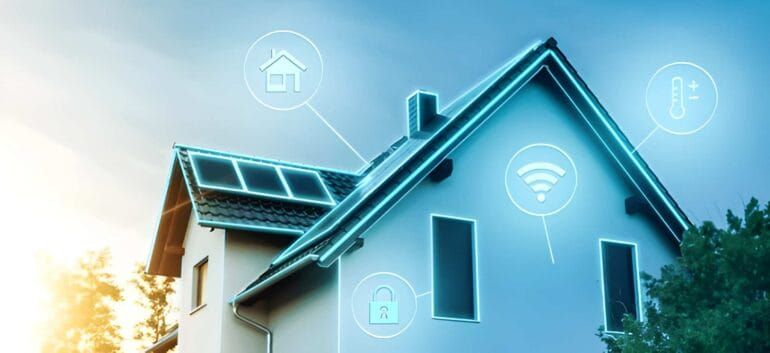
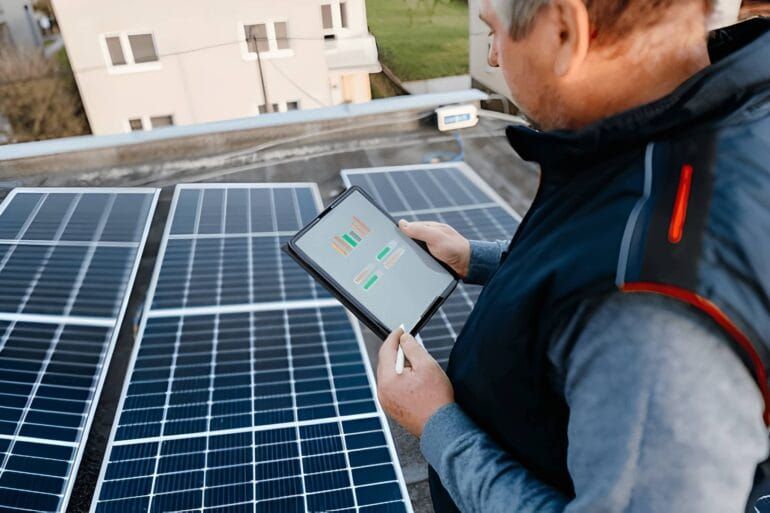
One of the most empowering aspects of modern solar and smart home systems is the ability to monitor everything from your smartphone. Solar monitoring smart home apps give Australian homeowners realtime visibility into their energy production and consumption, no matter where they are.
These apps typically display data including live solar generation figures, battery charge levels, grid import and export amounts, historical usage trends, and alerts for system anomalies. With this data at your fingertips, you can make informed decisions like whether to delay running the air conditioner until solar production peaks, or whether to charge an electric vehicle overnight at cheaper grid rates.
Popular platforms include the Enphase Enlighten app, Tesla app for Powerwall users, SolarEdge monitoring portal, and Fronius Solar.web. Each provides granular data that helps you continuously finetune your home’s energy performance. Over time, the patterns revealed by solar monitoring smart home apps can highlight opportunities for further savings such as identifying an appliance that’s consuming more power than expected.
Remote control is another key feature. If you’re at work and receive a notification that solar production is exceptionally high, you can remotely activate your pool pump or pre-cool your home before you arrive all through your smartphone.
The Financial Benefits: Why Australians Are Making the Switch
The financial case for smart home solar integration in Australia is compelling. Electricity prices in Australia are among the highest in the world, and they continue to rise. Meanwhile, the cost of solar panels has dropped dramatically over the past decade, making the upfront investment more accessible than ever.
Here is a snapshot of the savings potential:
- Reduced electricity bills: Households with solar and smart automation can cut their electricity bills by 50% to 100%, depending on system size and usage patterns.
- Feed-in tariffs: In Western Australia, solar users can earn a feed-in tariff for exporting excess electricity back to the grid, putting money back in your pocket.
- Battery savings: By storing solar energy and using it during peak tariff hours, battery storage can eliminate expensive peak-rate grid consumption entirely.
- Increased property value: Solar systems can add up to 6.8% to your property’s resale value, making it one of the most lucrative home improvements available.
- Smart device savings: Automating your appliances to run during solar peak hours can save an additional $400–$600 annually on top of base solar savings.
Australian government incentives further sweeten the deal. The federal Small-scale Technology Certificate (STC) scheme reduces the upfront cost of solar installation, while state-based rebates may offer additional support for batteries and smart devices. Feed-in tariffs provide ongoing income for exported power, further improving your system’s payback period.
Environmental Benefits: Powering a Greener Australia
The environmental case for solar and smart home systems in Australia is equally powerful. Australia’s electricity grid still relies heavily on fossil fuels, meaning every kilowatt-hour of solar energy you generate and consume directly reduces carbon emissions.
When your smart home automatically maximises self-consumption of solar power running appliances at the right times, charging batteries efficiently, and minimising grid reliance the environmental benefit multiplies. You’re not just generating clean energy; you’re using it intelligently to eliminate waste.
On a broader scale, widespread adoption of solar energy home automation across Australian households would significantly reduce the peak demand pressure on the national electricity grid, lower the need for fossil-fuel peaking plants, and accelerate Australia’s transition to a renewable energy future. Every smart solar home contributes to this collective benefit.
How to Get Started: A Step-by-Step Guide for Australian

Homeowners
Ready to begin your smart home solar integration journey? Here’s a simple roadmap to follow:
Step 1: Assess Your Energy Needs
Start by reviewing your electricity bills over the past 12 months. Identify your average daily consumption in kilowatt-hours (kWh). This will determine the appropriate size for your solar system and battery storage.
Step 2: Choose the Right Equipment
Select solar panels, inverters, batteries, and smart home devices that are compatible with each other. When integrating solar with smart devices, compatibility is critical to ensure seamless communication between components.
Step 3: Engage a Qualified Local Installer
Professional, accredited installation is essential for both safety and optimal system performance. A local expert will understand your region’s specific regulations, grid connection requirements, and rebate eligibility all of which vary across Australian states and territories.
Step 4: Configure Your Smart Home Automation
Once installed, connect your smart devices to your energy management platform and set up automation rules. Programme your high-consumption appliances to run during peak solar hours, configure battery charging schedules, and set up your solar monitoring smart home apps for real-time visibility.
Step 5: Monitor and Optimize Continuously
Regularly review your energy data to identify further opportunities for improvement. Seasonal adjustments for example, shifting heavy laundry loads to winter mornings when panel production is lower can help maintain high efficiency year-round.
The Future of Solar Powered Smart Homes in Australia
The trend toward smart home solar integration is accelerating rapidly in Australia. With battery storage costs continuing to fall, electric vehicle adoption on the rise, and smart home technology becoming increasingly mainstream, the next five years will see a dramatic transformation in how Australian homes generate, store, and consume energy.
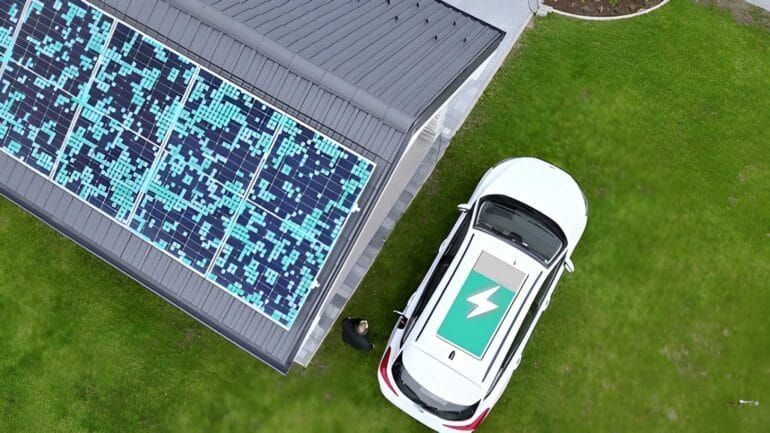
Vehicle-to-grid (V2G) technology which allows electric vehicles to feed stored energy back into the home or grid is emerging as the next frontier for solar powered smart homes. Virtual power plants (VPPs), where networks of solar battery homes collectively supply energy to the grid, are already operating in South Australia and expanding nationally.
Homeowners who invest in smart solar technology today are not just reducing their energy bills they are positioning themselves at the leading edge of Australia’s energy future, ready to benefit from new technologies and incentive programs as they emerge.
Conclusion: Smarter Solar Starts Here
The combination of smart home solar integration and intelligent home automation represents the gold standard in modern Australian living delivering lower bills, greater energy independence, reduced environmental impact, and enhanced property value all at once.
From pairing a smart home with solar panels to setting up solar monitoring smart home apps that give you complete visibility over your energy use, every step of this journey brings real, tangible benefits. The technology is proven, the savings are real, and the time to act is now.
At Easy Solar, Perth homeowners have access to a trusted local expert with over 25 years of combined industry experience. Whether you’re looking for a residential solar package from a compact 3.5kW system to a powerful 13.2kW setup or a commercial solar solution for your business, Easy Solar offers honest, tailored advice and professional installation. Their range of services includes solar panels, solar battery storage (including the Tesla Powerwall), smart inverters, solar hot water systems including the iSTORE Hot Water System Package, and flexible solar finance options everything you need to build a fully integrated, solar and smart home system in Australia that truly works for you.
Making the switch is simpler than you think. Contact the team at Easy Solar today and take your first step toward a smarter, cleaner, and more cost effective home.