
Solar energy has rapidly become one of the most reliable and cost-effective ways for Western Australian homeowners to reduce electricity bills and move towards cleaner, more sustainable living. With rising power costs and increased environmental awareness, rooftop solar is no longer a luxury—it’s becoming a smart long-term investment.
However, before installing a solar system, one critical question must be answered: is your roof actually suitable for solar panels? Understanding roof suitability for solar panels is essential, as not every roof delivers the same performance, efficiency, or financial return.
This comprehensive guide is designed to help WA homeowners assess their roof’s potential for solar. From orientation and materials to shading and system compatibility, we’ll explore everything you need to know before making the switch.
Understanding Roof Suitability for Solar Panels in Western Australia
When evaluating roof suitability for solar panels, several interconnected factors come into play. Solar panels rely on consistent, direct sunlight to generate electricity, which means your roof must support both the physical installation and optimal energy production.
In Western Australia, abundant sunshine provides excellent conditions for solar power—but roof design, condition, and placement still determine overall performance. A professional assessment ensures your system delivers maximum output and long-term reliability.
Solar Panel Roof Requirements Australia: What Every Homeowner Must Know
Understanding solar panel roof requirements australia is essential before installation. These requirements focus on safety, performance, and structural integrity.
Key baseline requirements include:
- A structurally sound roof capable of supporting panel weight
- Adequate roof space for the required system size
- Minimal shading throughout daylight hours
- Appropriate orientation and pitch for maximum sun exposure
Meeting these requirements ensures your solar investment performs efficiently and remains compliant with Australian standards.
Roof Orientation Solar Panels: Why Direction Matters More Than You Think
One of the most important elements of solar performance is roof orientation solar panels.
In Australia, north-facing roofs are considered ideal because they receive the most sunlight throughout the day. However:
- East-facing roofs perform well in the morning
- West-facing roofs capture strong afternoon sun
- South-facing roofs may be less efficient but can still work with proper system design
While north-facing roofs deliver the highest output, modern systems can be engineered to perform efficiently on multiple orientations.
Roof Angle and Pitch: Finding the Optimal Balance
The pitch of your roof affects how sunlight strikes the panels. In general:
- A pitch between 15 and 40 degrees is considered optimal
- Flat roofs can still support solar panels using angled mounting systems
- In WA’s climate, installers often adjust panel tilt to maximise year-round energy production.
Best Roof Type for Solar Panels: Material Matters
Choosing the best roof type for solar panels plays a major role in installation cost, durability, and long-term performance.
Asphalt Shingle Roofs
- Highly compatible with solar mounting systems
- Cost-effective and widely used
- Easy installation process
Metal Roofs
- One of the best roof types for solar panels
- Standing seam metal roofs allow clamp-based mounting without drilling
- Long lifespan matches or exceeds solar panel life
- Tile Roofs
- Durable but fragile during installation
- Requires specialised installers
- Higher labour costs due to careful handling
Flat Roofs
- Suitable with tilted mounting frames
- Requires proper drainage and weight distribution
Roof Shading Solar Suitability: How Shade Impacts Performance
Even partial shading can significantly reduce solar output. Evaluating roof shading solar suitability is critical before installation.
Common shading sources include:
- Trees
- Neighbouring buildings
- Chimneys and antennas
Shading during peak sunlight hours can lower efficiency and financial returns. Solutions may include:
- Strategic panel placement
- Trimming vegetation
- Using optimisers or microinverters
Roof Condition and Age: Install Smart, Not Twice
Installing solar panels on an ageing or damaged roof can lead to unnecessary costs later. A roof nearing the end of its lifespan should be repaired or replaced before solar installation.
Consider:
- Roof age
- Existing leaks or structural issues
- Material wear and tear
- A strong roof ensures your solar system remains secure for decades.
Solar Panel Roof Inspection Checklist: What Professionals Look For

Before installation, a detailed solar panel roof inspection checklist is used to assess readiness.
Typical inspection points include:
- Structural strength
- Roof material compatibility
- Available surface area
- Orientation and pitch
- Shading analysis
- Electrical access points
This checklist ensures your system is safe, compliant, and optimised for performance.
Roof Size and Shape: Maximising Available Space
Roof size determines how many panels can be installed, which directly affects energy output.
Key considerations include:
- Large uninterrupted roof sections
- Avoiding skylights, vents, and chimneys
- Multi-section layouts for complex roofs
Efficient design ensures maximum energy generation without compromising aesthetics or safety.
Regional Climate Considerations for WA Homes
Western Australia’s climate is ideal for solar, but regional conditions still matter.
Factors include:
- Annual sunlight hours
- Heat exposure
- Wind conditions
High-quality mounting systems and professional installation ensure long-term durability even in extreme weather.
Solar Panel Types and Roof Compatibility
Choosing the right panel type improves performance based on roof limitations.
Monocrystalline Panels
- High efficiency
- Ideal for limited roof space
Polycrystalline Panels
- Cost-effective
- Slightly lower efficiency
- Thin-Film Panels
- Lightweight
- Flexible installation options
PERC Panels
- Enhanced efficiency
- Improved performance in low-light conditions
Inverter and Battery Compatibility with Your Roof Setup
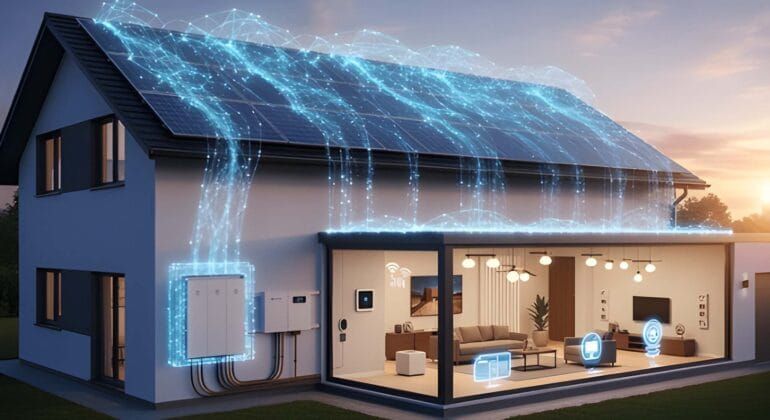
Your roof layout also affects inverter selection and battery integration.
- Inverters convert DC to AC power for household use
- Battery systems store excess energy for night use
- Compatibility ensures seamless energy flow
Modern systems are designed to integrate efficiently with various roof designs.
Financial Factors: Is Solar Worth It for Your Roof?
While solar involves upfront costs, long-term savings are significant. Roof suitability directly impacts return on investment.
A well-designed system can:
- Reduce electricity bills
- Increase property value
- Protect against rising energy costs
Common Mistakes Homeowners Make When Assessing Roof Suitability
Avoid these common errors:
- Ignoring roof age and condition
- Overlooking shading issues
- Choosing panels without professional guidance
- A thorough assessment prevents costly mistakes.
Maximising Solar Efficiency on Your Roof
Maximising solar efficiency is essential to ensure your solar power system delivers the highest possible energy output and long-term financial benefits. Even if your roof already meets basic installation standards, small adjustments and ongoing care can significantly improve system performance. By focusing on panel selection, placement, maintenance, and regular inspections, homeowners can ensure their solar system operates at peak efficiency for many years.
Choose High-Efficiency Solar Panels
High-efficiency solar panels are designed to convert a greater percentage of sunlight into usable electricity. These panels are especially beneficial for homes with limited roof space, as they generate more power per square metre compared to standard panels. Although high-efficiency panels may have a higher upfront cost, they often provide better long-term value by producing more energy over their lifespan. In Western Australia’s sunny climate, premium panels can deliver excellent returns by capturing more energy even during lower-light conditions.
Optimise Panel Placement
Proper panel placement plays a crucial role in solar efficiency. Panels should be positioned on roof sections that receive the most consistent sunlight throughout the day. In Australia, north-facing roofs typically provide the best exposure, but east- and west-facing roofs can also perform well when designed correctly. Avoiding shaded areas and placing panels at the optimal tilt angle ensures maximum sunlight absorption. Professional system design helps balance roof layout, orientation, and angle to achieve the highest possible energy output.
Maintain Panel Cleanliness
Dust, dirt, leaves, and bird droppings can block sunlight and reduce solar panel efficiency. Over time, this buildup can noticeably impact energy production. Regular cleaning, especially after dry or dusty periods, helps maintain optimal performance. In most cases, rainfall provides some natural cleaning, but periodic manual cleaning ensures panels remain clear and effective. Keeping panels clean is a simple yet highly effective way to protect your system’s efficiency.
Schedule Periodic Inspections
Routine inspections are essential for identifying potential issues before they affect performance. Professional inspections can detect loose connections, minor damage, shading changes, or inverter issues that may reduce output. Regular system checks ensure all components are functioning correctly and safely. Early detection of small problems helps prevent costly repairs and ensures consistent energy generation.
The Power of Small Optimisations
When combined, these small optimisations can lead to significant performance gains. Choosing the right panels, optimising placement, maintaining cleanliness, and scheduling inspections work together to maximise efficiency, increase energy savings, and extend the lifespan of your solar system. Over time, these efforts ensure your solar investment delivers reliable, long-term benefits.
Conclusion: Making the Right Solar Decision with Easy Solar
Determining roof suitability for solar panels is the foundation of a successful solar investment. From understanding solar panel roof requirements australia to selecting the best roof type for solar panels, every detail matters.
By assessing roof orientation solar panels, managing roof shading solar suitability, and following a professional solar panel roof inspection checklist, WA homeowners can confidently move towards energy independence.
At the final stage of your solar journey, working with a trusted provider like Easy Solar ensures expert roof assessments, high-quality solar installations, inverter solutions, and battery storage systems all tailored to your home’s unique needs.
With the right roof and the right expertise, solar power becomes not just an upgrade, but a future-ready investment for your home.