For most homeowners in Australia, investing in solar panels becomes an increasingly intelligent decision due to rising energy costs and increased environmental awareness. Solar panels, however, are not a “set and forget” solution. In the same manner as any other electrical system, they need to be maintained regularly to achieve maximum performance. In this article, we look to replace Solar Panels in Australia -when to do it, critical warning signs, and how to make appropriate decisions if you are a homeowner in Australia.
Understanding Solar Panel Lifespan
Most solar panels installed today are made to last 20–25 years. Even with modern technology enhancing durability, panels still have wear and tear stress in regard to their environment. Components such as the inverter, DC isolator, and the solar cells themselves may degrade over time. Knowing the difference between monocrystalline vs polycrystalline solar panels can be crucial when assessing performance and possible replacements.
Generally, monocrystalline solar panels in Australia tend to be more efficient and last longer than polycrystalline panels, which are cheaper yet a little less effective. Understanding such nuances helps homeowners make informed choices when it comes to replacements.
Key Warning Signs you need to Replace Solar Panels in Australia
1. Lower Energy Production
Some of the most conspicuous signs include a noticeable decline in energy production. Monitor your system for whether it is generating less power than expected with your inverter’s monitoring software or energy bills. This will be a function of dirt building up, shading, and aging cells. For instance, panels with minimal tilt tend to accumulate dirt at a quicker rate, which could reduce efficiency.
2. Visible Damage
Do a visual inspection of your solar panels for visible conditions, such as micro-cracks, discoloration, or snail trails. Usually, micro-cracks occur during shipment or improper installation and could worsen over time. Snail trails are dark-colored streaks that result from defective silver paste, which will reduce energy output.
3. Component Failures
These components, such as inverters and DC isolators, are crucial to your system. Inverters can trip off due to voltage issues or dust accumulation, whereas DC isolators wear out from UV and water exposure. Regular inspections can catch such things before they compromise the entire system.
4. Increased Pest Activity
Birds, insects, and rodents can harm the system’s wiring or build nests under panels and even create a hazard. Pest activity may provide an indication of the need to clean or install protection.
5. Extreme Weather Damage
While solar panels are designed to resist regular Australian weather conditions, severe hailstorms and extreme weather conditions can still lead to damage. Glass-on-glass panels are safer, as they feature a tempered glass backsheet; these are more expensive, however. Home insurance in some cases may cover the damage, but regular inspections are key.
Regular Maintenance versus Reactive Maintenance
The maintenance of solar panels involves proactive and reactive services. For small residential systems, full electrical inspections are recommended to be performed once every two years, while larger commercial systems above 40kW warrant annual checks.
Proactive maintenance includes regular cleaning, monitoring, and inspection to avoid the occurrence of defects, while reactive maintenance deals with the problems after they have occurred. Monitoring systems can be installed to detect poor performance in panels at an early stage, which will reduce the long-term cost.
How much does it cost to maintain solar panels?
Maintenance costs vary by system size:
| System Size | Basic Inspection | Detailed Inspection | Cleaning Cost per Panel |
| 6.6kW | $250 | $400 | $12 |
| 50kW | $650 | $1,000 | $7 |
| 99kW | $850 | $1,350 | $5 |
| 500kW | $1,100 | $2,900 | $4 |
Other factors affecting costs include location, roof access, system design, age, and the number of panels. Systems that have flat roofs or are exposed to pollution, coastal conditions, or heavy bird activity may require more frequent cleaning.
Common Solar Panel Problems
Wiring and Component Issues
Faulty wiring or DC isolators may cause safety hazards, including fires; they need regular inspection by qualified electricians to identify such issues early.
Solar Inverter Faults
Inverters are crucial in energy conversion. Inverter failure can be triggered by dust, temperature, and voltage fluctuations, which in turn affects overall system performance.
Hot Spots
The hot spot occurs when panels overheat because of dirt accumulation or circuit overload. They may be due to faults in manufacturing, too. The result will be diminished efficiency and life.
Micro-Cracks
Small fractures in solar cells, caused during shipment or installation, grow over time with environmental exposure. Micro-cracks often go unnoticed until performance drops.
Snail Trails
These dark streaks are formed when moisture penetrates the panel through defective silver paste. Snail trails reduce energy output and shorten panel life.
Can Solar Panels Handle Extreme Weather?
The solar panels installed in Australia are designed to withstand the local environmental conditions. Most of the panels can withstand up to 35mm-sized hail, which means golf ball size and also satisfy the Australian Standards. In areas that have severe hailstorms or extreme conditions, upgraded panels may be required to protect against those conditions, such as glass-on-glass panels.
Deciding When to Replace Your Solar Panels
1. System Failure
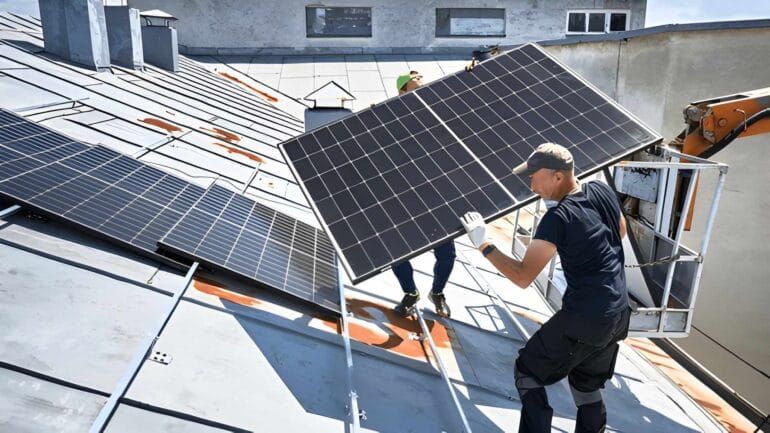
Inverters usually last for 5–10 years. If an inverter fails, the whole system may need to be inspected. Old panels can show signs of cracking, discoloration, or lowered efficiency. Replacing the inverter alone may not restore full performance.
2. Higher Energy Requirements
Modern households use more energy than ever, especially with electric vehicles, smart appliances, and larger families. Unfortunately, older systems installed in 2010 to 2015 may well be insufficient for today’s needs. With technological advancements, newer panels can produce twice the power in the same space.
3. Poor Quality or Installation
The cheap systems or those installed with low-quality components may show microcracks, hotspots, or other defects. The string inverters reduce output if one panel underperforms. Ensure replacement for better performance and longevity.
Situations Where You Can Keep Your Existing System
High-quality systems under warranty
If your panels are less than 7 years old, from good manufacturers such as Trina, Q Cells, REC, SunPower, or LG, they may still serve you well. Most systems installed by qualified electricians function very well for a long period.
Expansion Opportunities
It is often more cost-effective to add more panels to free roof space than it is to replace the system outright, even though the existing system works and doesn’t meet current energy needs.
Microinverter Systems
Systems with microinverters, like those from Enphase, provide for easy expansion without impacting the performance of panels that are already installed. Each panel is independent, which makes upgrading easier.
Comparing Solar Panel Types
Understanding the difference between mono and poly solar panels is critical when it comes to making a decision for replacement.
- Monocrystalline solar panels in Australia: High efficiency, better performance when space is limited, longer lifespan, typically a higher price tag.
- Polycrystalline panels: Cheaper, marginally less efficient, and performance degrades relatively faster under extreme conditions.
A solar panel types comparison Australia shows that choosing between them for homeowners will be based on roof space, energy needs, and budget. Comparing the performance of polycrystalline solar panels to the performance of monocrystalline solar panels helps to determine the best solution.
How to Care for Solar Panels: A Step-by-Step Guide
The maintenance of solar panels is crucial to guarantee peak efficiency and the safety of a solar power system. Solar panels are made sturdy to resist all kinds of weather; however, lack of maintenance may lead to decreased energy production, potential damage, and even safety hazards. Following are important tips to be addressed by both homes and businesses for the proper care of solar panels.
- Regular Cleaning:
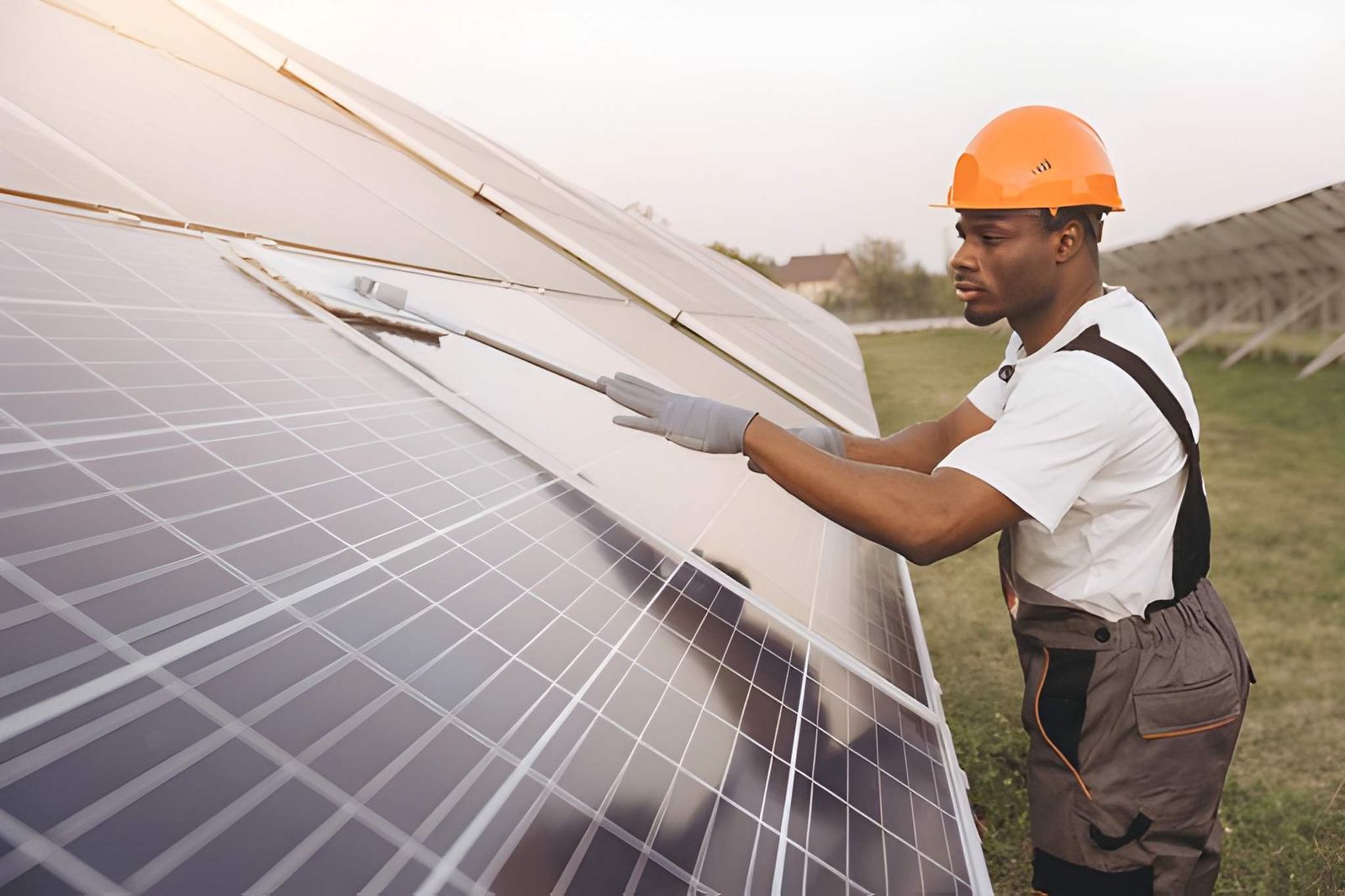
Solar panels accumulate dust, pollen, bird droppings, and leaves over time. Even slight soiling can lead to energy efficiency reductions, mainly when the panels are installed on a flat roof or in areas that receive limited rainfall to naturally clean the panels. The panels with minimal tilt are really prone to dirt accumulation, since rainwater cannot easily wash off debris. Cleaning can be done using soft brushes, low-pressure water, or professional solar panel cleaning services. Do not use harsh chemicals or abrasive materials, since these scratch the surface of the panel and cause damage.
- Regular Inspection:
Routine inspections help to identify small problems before they become major ones. For residential solar systems, an inspection should be done every two years, but larger commercial installs would benefit from annual inspections. Such an inspection-ideally performed by a Clean Energy Council-qualified electrician-would involve a review of the inverter, the wiring, DC isolators, and the mounting structure. Checking for loose connections, water ingress, or wear can prevent system failure and save long-term maintenance costs.
3. System Performance Monitoring:
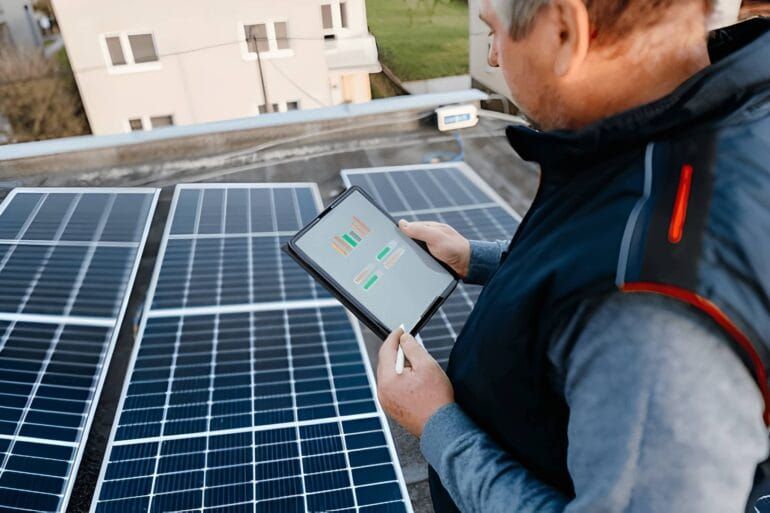
Many modern inverters include monitoring apps, which will enable a householder to track generation, fault detection, or underperforming panels. Reviewing the data periodically can identify anomalies early enough, keeping your system operating at optimal output and preventing any possible hidden issues from worsening. 4. Protect from Pests: Birds, rodents, and other pests can chew through wiring, build nests, or block panels. Installation of protective mesh, guards, or deterrents averts this kind of damage, safeguarding performance and safety. The tips above can be followed by any homeowner to maximize energy, extend the life of solar panels, and ensure a safe, reliable solar system.
Conclusion: Ensuring Maximum Performance with Easy Solar
This can be ensured through consistent maintenance and timely replacement by Australian homeowners. Being aware of when to replace the solar panels is quite important in ensuring safety, efficiency, and cost savings. The correct choice of the monocrystalline vs polycrystalline solar panels is actually determined by the energy needs and the setup of your roof. For most homeowners in Western Australia, monocrystalline solar panels offer much better performance in Australia; on the other hand, being informed of polycrystalline solar panels’ performance can assure them of making cost-effective decisions.
Comparing different types of solar panels in Australia and understanding the difference between mono and poly solar panels helps one ensure informed choices. At Easy Solar, we offer everything from residential and commercial solar installations to cleaning, maintenance, and monitoring of solar panels. Our experienced team at Easy Solar will ensure your system performs optimally to provide peace of mind and maximize energy savings. For a dependable, high-performance solar solution, coupled with professional maintenance, contact Easy Solar today for a free consultation.