One of the most important decisions a homeowner can make when choosing a solar system for their Western Australian property is deciding between monocrystalline vs polycrystalline solar panels. Both technologies are widely used throughout Australia, with each type carrying its strengths, performance characteristics, and ideal applications. Understanding the difference between mono and poly solar panels allows the design of a system that saves the most money, performs in a reliable manner, and maximizes long-term energy output.
Within this in-depth guide, we provide an all-rounded solar panel types comparison in Australia to clarify common myths while helping you determine the best choice for Western Australia. In the case of a new system or an upgrade, this breakdown supports smarter decisions that will last longer.
Monocrystalline vs Polycrystalline Solar Panels What is the Difference?
Before diving into performance comparisons, let’s get some basics sorted.
The dominant material in the contemporary solar industry, silicon, forms both monocrystalline and polycrystalline solar panels. Primarily, their difference in processing is a factor of this:
Monocrystalline Solar Panels
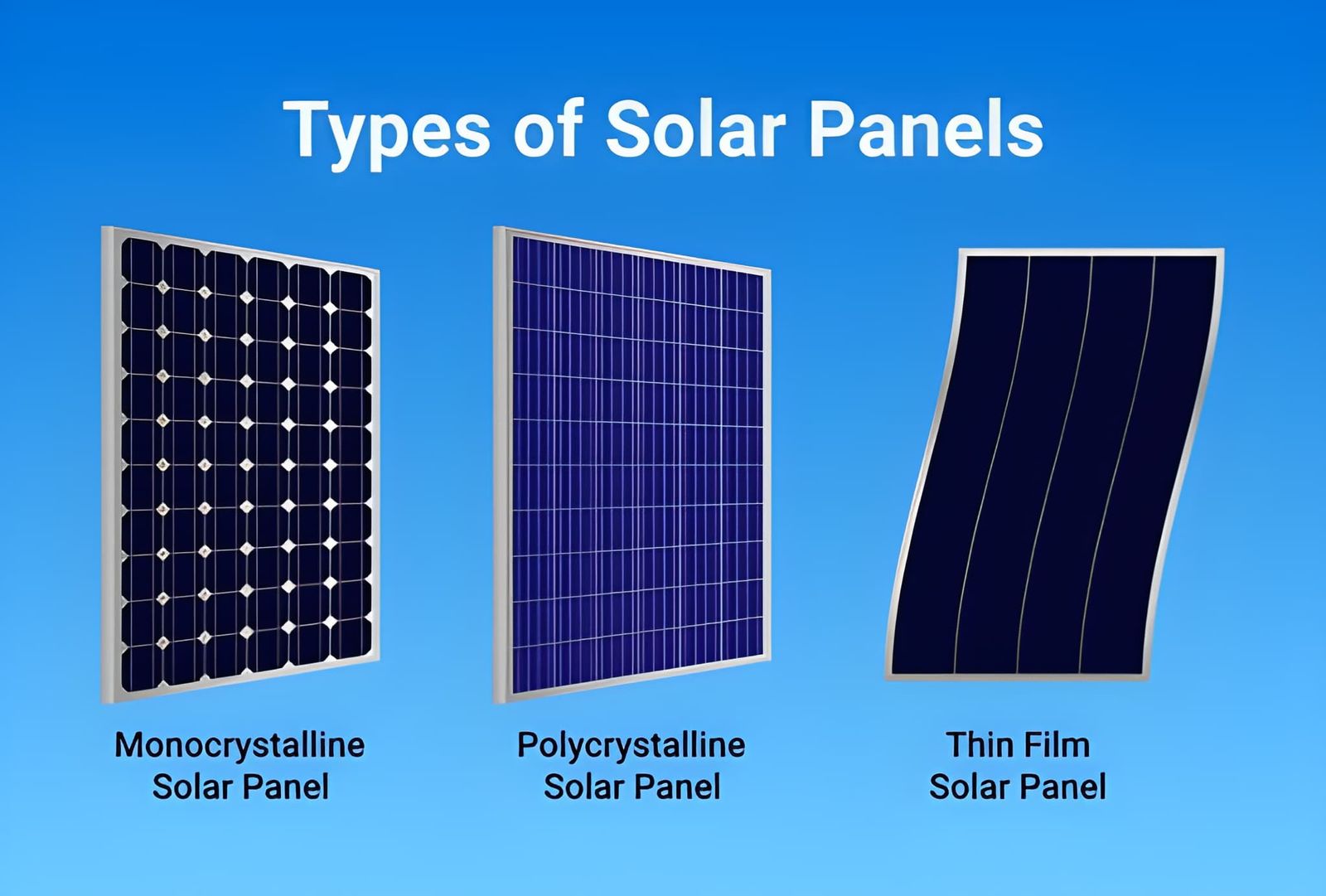
These are made using a single, pure silicon crystal. The result is a sleek black panel featuring high energy efficiency and excellent long-term durability. It explains why many home owners are looking to find the best monocrystalline solar panels Australia has to offer.
Polycrystalline Solar Panels
These are made from multiple fragments of silicon melted together. They usually have a blueish hue and offer solid performance at a lower price. Most buyers choose them for affordability and decent polycrystalline solar panels’ performance in typical Australian climates.
While both serve the same purpose in converting sunlight into electricity, their construction directly impacts their price, efficiency, and performance in WA’s often harsh weather.
Visual & Structural Differences Between the Two Solar Panel Types
Understanding how the panels look and are engineered helps homeowners make a more informed choice.
Appearance
- Monocrystalline panels: Black, homogeneous, sleeker-looking panels, more popularly used in modern homes.
- Polycrystalline panels: Blueish colour and fragmented pattern, and slightly reflective.
Silicon Structure
- Mono=one crystal → allows electrons to move freely → higher efficiency.
- Poly= many crystals → more resistance inside the cell → slightly lower efficiency.
Efficiency Comparison: Which Performs Better in Western Australia?
Efficiency determines how much electricity a panel produces with the sunlight it receives.
Monocrystalline Panels Efficiency
Because of the single-crystal purity, monocrystalline panels can reach greater than 22-23% efficiency. In particular, this is beneficial in WA because:
- Smaller roofs thus need tighter installation spaces, more power per square metre.
- WA’s hot climate demands efficiency that holds up in high temperatures.
- More efficiency = fewer panels needed = cleaner roof aesthetics.
Polycrystalline Panels Efficiency
Polycrystalline panels have generally ranged from 14-18% efficiency, although modern manufacturing has improved this. Today, many high-quality polycrystalline panels perform very close to mid-range monocrystalline panels.
As this improvement reduces the performance gap significantly, mono panels still hold the top position in peak efficiency.
Temperature Performance: A Crucial Factor for WA Homes
West Australia is famous for long, hot summers and quite hot rooftop temperatures. The performance normally decreases as the heat rises, which is why the temperature coefficient counts.
- Monocrystalline Panels in Heat
- Reduce heat losses
- Better stability in extreme heat
- Higher performance during WA summers
- Polycrystalline Panels in Heat
- Slightly greater performance degradation during high temperatures
- More suitable for mild climates than those that are extremely hot.
Given WA’s conditions, monocrystalline panels generally perform better than polycrystalline systems during the hottest weather periods because of their lower temperature coefficient.
Space Considerations: Roof Size and Panel Selection
Your roof size is one of the biggest deciding factors in choosing between the two technologies.
Choose Monocrystalline If:
- You have limited roof space.
- You want the highest efficiency.
- You prefer premium performance
Choose Polycrystalline If:
- You have ample roof space
- You are on a budget and need something affordable.
- You’re focused on price-per-watt rather than aesthetics.
In most suburbs in Western Australia, with medium to large roof areas, either option can work well. But smaller homes and homes with shading issues may benefit more from monocrystalline performance advantages.
Cost Comparison: Upfront Price versus Long-Term Value
One of the major differences between the two kinds of solar panels is in cost.
Monocrystalline Solar Panels
- More expensive per panel
- Higher power density → fewer panels needed
- Better long-term ROI in many WA cases
Polycrystalline Solar Panels
- Cheaper upfront
- Requires more panels for the same output
- Good for budget-conscious households
When total system prices are compared-panels plus inverter plus installation-the cost difference between the two is usually smaller than anticipated. Since labour, racking and wiring costs are the same for both types of systems, the cost difference is only in the panels.
Lifespan: Do Mono Panels Last Longer?
Both are very robust technologies and generally feature:
- 25-year performance warranty
- 25-year product warranty – depending on the manufacturer
- Both types of panels last 25–30+ years, so it is not a major differentiating factor.
Real Performance: Which Panel Type Actually Delivers More for WA Homes?
When it comes to the monocrystalline vs polycrystalline solar panel debate for WA homeowners, real-world performance is key.
Monocrystalline Panels Pros
- Higher efficiency
- Better heat performance
- Sleeker look
- Fewer panels for same output
- Higher long-term ROI
Advantages of Polycrystalline Panels
- Lower upfront cost
- Solid performance in moderate temperatures
- Ideal for larger roofs
- Excellent budget-friendly choice
- Given the climate, monocrystalline panels tend to outperform polycrystalline ones per square meter.
Solar Panel Types Comparison Australia: Which Is Better for WA?
When making a full solar panel types comparison, Australia considers a number of conditions:
- Climate of Western Australia
- Scorching summers
- High rooftop temperatures
- Much sunlight
- Monocrystalline panels handle heat better and provide more consistent output across the hottest months of the year.
Energy Consumption Patterns
This is because WA homeowners tend to use more power during the day-air conditioners, pool pumps, appliances-that make reliable peak-day performance more valuable.
Government Incentives
- Both technologies qualify equally for STCs and rebates.
- Roof Orientation & Tilt
- A well-installed system, using optimised angles and high-quality racking with a suitable inverter, matters more than panel type alone.
Which type performs better in Western Australia?
Monocrystalline panels provide higher, more reliable performance for most WA homes, especially in extreme heat. That said, polycrystalline panels still provide great value for large roofs and budget-conscious systems.
Best Solar Panels for Western Australia: A Buying Guide
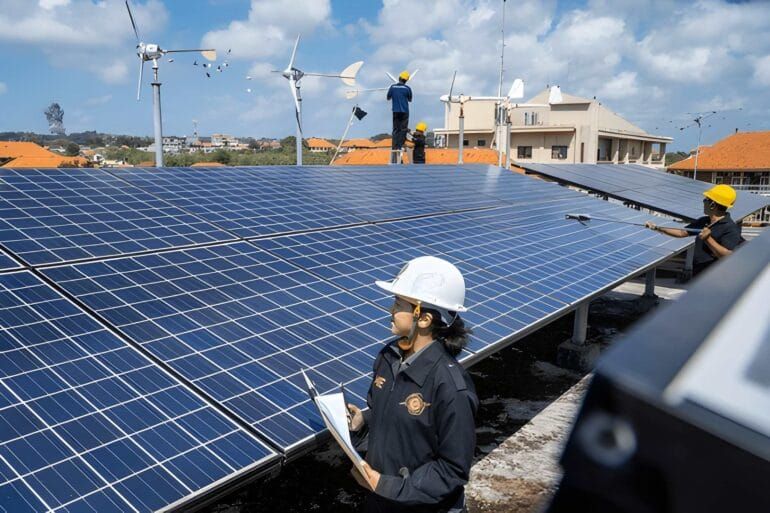
The best solar panels for Western Australian homes require consideration of various factors, which significantly determine energy production, long-term performance, and overall savings. With the particularly harsh climatic conditions that result in very hot summers, strong sunlight, and other occasional harsh climatic factors, WA offers opportunities to pick just the right system for maximum returns on investment.
1. Budget
Your budget is usually the first thing to consider. Solar panels come in a wide range of technologies, efficiencies, and brand names that define their price. Higher-end panels may be more expensive upfront but usually offer better durability and efficiency in hot climates. Many mid-range panels still perform well if you want value for your money and can meet the needs of most households. It all comes down to finding a balance between upfront cost and expected long-term benefit.
2. Roof Size
The size and configuration of the roof will govern how many panels can be installed and how much energy can be generated. Smaller-roofed homes need high-efficiency panels because they make more power in less space. With a bigger roof, you have the leeway to go with standard-efficiency panels at lower costs. Tree shading or shade from other buildings is also relevant because partial shade can slash output.
3. Aesthetic Preferences
Some people like sleek, black panels that blend right into the roof for a really modern look; others do not mind standard blue panels. Because of their uniformly dark look, monocrystalline panels are selected often for aesthetics, while polycrystalline panels are slightly more visible. While aesthetics do not affect the performance of your panels, they do have an effect on property value and overall satisfaction.
4. Energy Requirements
The size of the system you need is determined by your daily usage of electricity. Larger or more efficient solar systems suit families with high consumption, such as air conditioning, several appliances, and electric vehicles. By understanding your energy habits, you are able to choose panels that generate enough power to reduce or even eliminate your energy bills.
5. Temperature Performance
Westerly Australia experiences very high temperatures, causing severe heat to affect the efficiency of panels. Some panels, due to lower temperature coefficients, will maintain performance better at higher temperatures. Choosing the heat-tolerant panels ensures consistent output even during peak summer months.
6. Long-Term Return on Investment
The best solar panels provide long-term financial benefits, including lower electricity bills, higher reliability, and reduced maintenance. While high-efficiency panels may be more expensive upfront, often they provide more significant savings over their lifetime.
7. Installation Quality & Warranty Reliability
Poor installation diminishes performance and lifespan, regardless of how good the panels may be. It is important to choose a reputable solar provider that is certified, with good customer reviews. A good warranty – both from the manufacturer and the installer – protects and provides peace of mind.
Conclusion
The Right Choice with Easy Solar Understanding the monocrystalline vs polycrystalline solar panels debate is crucial for the design of a powerful and durable solar energy system for your WA home. While monocrystalline panels boast higher efficiency, better heat performance, and superior power output, polycrystalline panels remain a strong, budget-friendly choice for homes with larger roof areas.
When you are ready to install solar, Easy Solar provides complete end-to-end solutions, including: Professional consultation and system design Residential & commercial solar installation High-performance monocrystalline and polycrystalline panel options Solar battery solutions Solar hot water systems Premium inverters long-term warranties Full after-sales support Easy Solar works with each homeowner to ensure that the system installed is tailored for their budget, energy needs, and long-term goals—whether that includes premium monocrystalline performance or cost-effective polycrystalline reliability.