
Whether you’re a first-time buyer or already thinking about making the switch to renewable energy, one question likely comes up before signing anything: do solar panels work on cloudy days? It’s one of the most common concerns for Western Australian homeowners and the answer might surprise you. The short answer is yes. But let’s unpack exactly what happens to your solar system when the skies turn grey over Perth and the rest of WA.
Understanding How Solar Panels Generate Electricity
Before addressing how your panels perform in less-than-ideal weather, it helps to understand the basics of how they work. Solar panels specifically photovoltaic (PV) panels work by absorbing light particles called photons from sunlight. These photons create an electric field across the PV cell layers, which generates electricity. A single PV cell produces only one to two watts of power, which is why solar panels contain dozens of these cells layered together. A standard residential panel can produce between 250 to 400 watts, and most home solar systems in WA include 20 to 25 panels to meet average household energy demands.
The key insight here is that solar panels need sunlight, not direct sunshine. Light, even diffused or indirect light, still triggers the photovoltaic process. That means do solar panels work without direct sunlight? Absolutely with reduced output, but they still produce power.
Do Solar Panels Work on Cloudy Days? The Science Explained
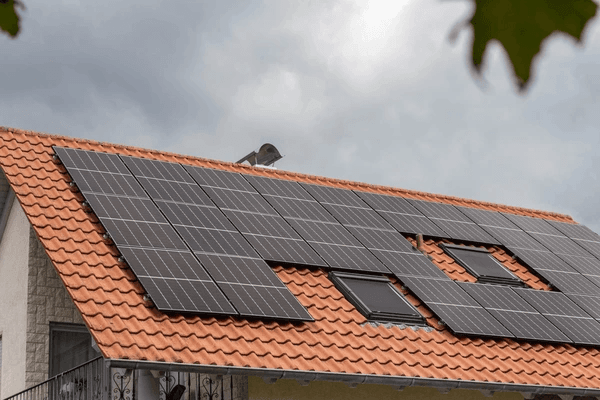
Let’s address the big question directly: do solar panels work on cloudy days? Yes, they do. Solar panels continue to generate electricity even on overcast days, just at a reduced rate compared to bright, sunny conditions.
On a heavily overcast or cloudy day, solar panels can still produce around 50% of their typical output. On a mildly cloudy day, that figure might be closer to 70–80% of their peak capacity. The photovoltaic cells in your panels are still absorbing light just less of it and continuing to convert that into usable electricity for your home.
As James Fenton, Director of the Florida Solar Energy Center, explains, “The panel is always working. The question is how much electricity comes out of it based on the amount of light.” Even ambient light, such as what filters through clouds, is enough to keep your panels producing power throughout the day.
For homeowners in Western Australia, this is particularly reassuring. Perth is one of the sunniest cities on earth, averaging over 3,000 sunshine hours a year. Even during winter months or cloudy spells, WA receives significantly more solar radiation than most of Europe or large parts of North America. So while your system’s output will dip on grey days, it’s unlikely to drop to zero and over the course of a year, your system will still generate substantial savings on your electricity bill.
Solar Panels in Rainy Weather: What Really Happens?
Now let’s look at solar panels in rainy weather. Rain itself is not a problem for solar panels. All quality solar panels are manufactured to be fully weatherproof and waterproof. In fact, rainfall can actually benefit your system in a somewhat unexpected way: it acts as a natural cleaning service, washing dust, pollen, bird droppings, and debris off your panels. Cleaner panels are more efficient panels.
During a rainy day in WA, your panels will still be absorbing diffused sunlight filtering through the clouds. Efficiency typically reduces by around 10% to 25% compared to clear-sky conditions, depending on how heavy the cloud cover and rain are. But your system is still working and as soon as the rain passes and the sun breaks through, your panels snap back to full production almost instantly.
The key concern with rain isn’t the rain itself it’s the accompanying cloud cover. The thicker the cloud layer, the less light penetrates, and the lower your electricity output. However, in WA’s climate, even rainy days are rarely fully overcast for extended periods.
Solar Performance Cloudy Weather WA: What the Numbers Look
Like
When discussing solar performance cloudy weather WA, it’s important to look at the local climate context. Western Australia, especially the Perth metro area and surrounding regions, benefits from a Mediterranean style climate: hot, dry summers and mild, moderately wet winters. Even during WA’s winter months (June to August), Perth averages around 5–6 peak sun hours per day, compared to 8–9 hours in summer.
What does this mean practically for a homeowner? A 6.6kW solar system installed in Perth might produce an average of 26–28 kWh per day in summer, and around 18–22 kWh per day during winter. That’s still a significant amount of electricity enough to power most modern households through most of their daily energy needs, even during the cooler, cloudier months.
Key Factors Affecting Output on Cloudy Days in WA
- Panel quality and brand: Highertier panels (like those from trusted manufacturers) perform better in diffused light conditions
- System size: A correctly sized system accounts for seasonal and weather variation in its design
- Roof angle and orientation: A north-facing roof maximises exposure throughout the year
- Shading from trees or nearby structures: Minimising shade is always important, especially in lower-light conditions
Solar Efficiency in Winter Australia: Busting the Myths
There’s a persistent myth that solar efficiency in winter Australia drops so severely that panels are barely worth having during the cooler months. This is simply not true, particularly in Western Australia.
While solar output does naturally dip in winter due to shorter days and lower sun angles, the drop in efficiency is far more modest than many people expect. In Perth and regional WA, winter solar output typically sits at around 60–75% of summer output. Over a full year, the system still averages out to provide substantial energy savings.
Additionally, households tend to use less air conditioning in winter, which can offset any reduction in solar generation. In many WA households, net energy savings from solar remain strong year-round — winter included.
The critical thing is to ensure your system is sized appropriately for your household’s energy use throughout all seasons, not just the peak summer months. A well-designed solar system takes WA’s winter solar patterns into account from day one.
Solar Power During Storms: Safety, Performance and Precautions
What about more extreme conditions? Solar power during storms is a valid concern for WA homeowners, particularly those in regions that experience strong winds, heavy rain, hailstorms, and the occasional severe weather event.
Storm Safety for Solar Panels
Quality solar panels are rigorously tested and rated to withstand hail, strong winds, and heavy rain. Most Tier-1 panels on the market can handle hailstones up to 25mm in diameter at 23 metres per second. They’re also rated to endure wind loads of up to 2,400 pascals, equivalent to wind speeds of well over 200 km/h.
That said, regular inspection and maintenance of your system is always advisable especially after a major storm. Check for:
- Cracks or chips in the glass surface of panels
- Loose mounting brackets or racking components
- Debris such as branches or leaves resting on or around panels
- Any visible damage to inverter connections or cabling
If you notice any damage, contact a qualified solar technician immediately. Do not attempt to inspect or handle damaged solar components yourself.
Does Storm Cloud Cover Shut Down Your System?
During the storm itself, heavy cloud cover and reduced sunlight will naturally lower your system’s output sometimes significantly. But the system will continue to operate safely as long as there’s no physical damage. Once the storm passes and skies clear, your system resumes normal production.
Do Solar Panels Work Without Direct Sunlight? Yes Here’s Why
A common misconception is that solar panels only work in full, direct sunlight. The reality is that do solar panels work without direct sunlight? Absolutely they work with any available light, including diffused sunlight on overcast days.
Diffused sunlight the scattered, indirect light that fills the sky on cloudy days still contains photons that PV cells can absorb and convert to electricity. The output is lower than in direct sunlight, but it’s real, usable electricity.
Even on heavily overcast days, the sky is still bright. Light is still reaching your panels. Your system is still generating power. The key difference is intensity: bright direct sunlight produces the maximum photon bombardment of your PV cells, while diffused light produces less, resulting in lower output.
This is why solar panels are a year-round investment, not just a summer solution — especially in a sun-rich environment like Western Australia.
How to Maximize Your Solar Output on Cloudy and Rainy Days
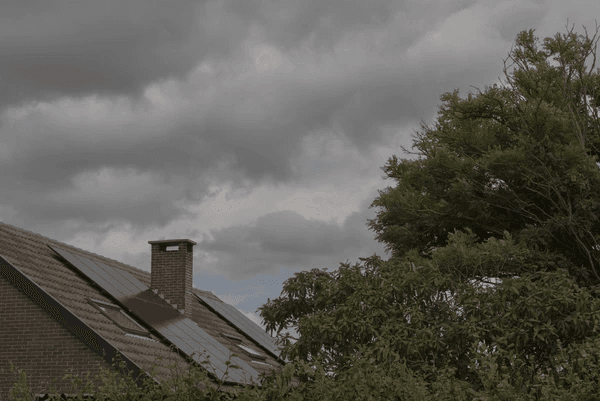
While you can’t control the weather, there are several practical steps WA homeowners can take to ensure their solar systems perform as well as possible during cloudy conditions:
- Keep panels clean: While rain helps, occasional professional cleaning removes stubborn buildup and maximises light absorption
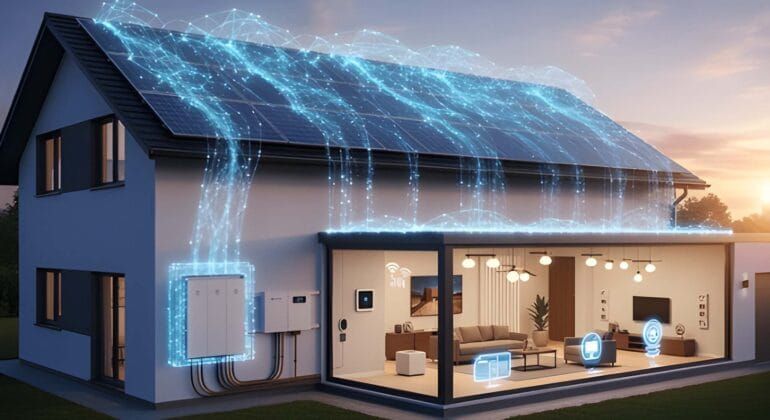
- Install a battery storage system: A solar battery stores the excess energy generated on sunny days for use during cloudy periods, at night, or during power outages
- Right-size your system: Ensure your system is designed with your winter and cloudy-day energy needs in mind, not just summer peaks
- Reduce energy waste: Using energy-efficient appliances and smart home thermostats reduces the amount of electricity you need to draw from the grid on low-generation days
- Stay connected to the grid: Grid-connected solar systems can draw power from the network when your panels aren’t generating enough, and you can export excess energy through net metering when they are
Battery storage in particular is becoming an increasingly popular choice among WA homeowners. A solar battery allows you to store the energy your panels generate during sunny periods and use it after dark or on cloudy days, effectively extending the value of your solar investment around the clock.
Conclusion: Cloudy Days Won’t Stop Your Solar System
The bottom line is clear: do solar panels work on cloudy days? Yes. Solar panels in rainy weather? Still producing. Solar efficiency in winter Australia? Reduced but absolutely viable, especially in WA’s climate. Solar performance cloudy weather WA? Better than you’d expect, given Perth’s enviable sun hours even in the cooler months.
Western Australia is genuinely one of the best places in the world to go solar. Even accounting for clouds, rain, and winter, WA homeowners enjoy some of the highest solar returns anywhere on the planet. A properly designed and installed solar system will generate meaningful electricity year-round and pay for itself many times over the course of its 25+ year lifespan.
If you’re considering making the switch, the team at Easy Solar is here to help you make the right decision for your home and your budget. Based right here in Perth, Easy Solar offers a comprehensive range of residential solar packages — from compact 3.5kW systems ideal for smaller homes to powerful 13.2kW setups for larger households with bigger energy demands. They also offer commercial solar solutions for businesses of all sizes, ranging from 13kW right up to 34kW and beyond.
For homeowners looking to extend their solar savings even further, Easy Solar also provides the iSTORE Hot Water System, an energy-efficient heat pump hot water solution that uses renewable energy to dramatically reduce water heating costs. And with flexible solar financing options available, going solar is more accessible than ever no large upfront payment required.
Don’t let cloudy skies put you off the idea of going solar. With the right system, the right installer, and the right advice, your solar panels will be hard at work generating clean, affordable electricity even on the greyest days WA can throw at them. Reach out to Easy Solar today for a personalised consultation and quote tailored to your home, your energy usage, and your goals.